


To emphasize a broad-based inclusion of the community, the outreach and engagement process has entailed close coordination with MPDC and the Steering Committee. Activities included meetings with the Steering Committee, confidential interviews with key community leaders, a public kick-off meeting, a focus group with property owners and local businesses, an online survey, social media, and other targeted outreach activities. The following provides a summary of what has been done so far. Outreach activities will continue during the course of the planning process. Since the start of the formal planning process, over 672 residents and stakeholders have participated (see Table 3.1).
Table 3.1 Early Public Participation and Engagement
| Public Engagement Activities | Number of Participants |
| First Steering Committee Meeting | 12 |
| Stakeholder Interviews | 17 |
| Public Kick-off Meeting | 100 |
| MetroQuest Survey | 462 |
| Web site visits | 2,131 |
| Completed Survey | 462 |
| Focus Group with Property and Business Owners | 18 |
| Targeted Presentations | 63 |
| Total | 672 |
Source: CMAP and MetroQuest
Steering Committee
The Steering Committee is tasked with providing guidance and feedback on existing issues and opportunities, developing central goals, reviewing plan documents, and identifying stakeholders who should be involved in the planning process. Composed of individuals representing a wide variety of interest and perspectives, the Steering Committee members include:
- Tony Adams, McKinley Park Development Council
- John Belcik, McKinley Park Development Council
- Dayna Calderon, McKinley Park Development Council
- Amber Cicotte, Resident
- Vernalynne De La Rosa, Midwest Asian Health Association
- Mario Diaz, McKinley Park Development Council
- Billy Drew, 12th Ward Independent Precinct Organization
- Liliana Escarpita, 12th Ward Alderman George A. Cardenas
- Kelly Fitzpatrick, 11th Ward Alderman Patrick D. Thompson
- Kensen Lam, McKinley Park Community Church
- Mayra Lopez-Zuñiga, State Representative Theresa Mah (2nd District)
- Beata Skorusa, Business Owner
- Marya Spont-Lemus, Resident
- Alma Anaya, Cook County Commissioner (7th District)
- Nurys Uceta Ramos, Chicago Public Schools, Network 5: McKinley Park
First Steering Committee Meeting
The first steering committee meeting was held on May 17, 2018, at the McKinley Park Field House to provide background on CMAP, the planning process and begin a conversation about the specific issues facing McKinley Park. The Steering Committee discussed the strengths of the community and what they would like to see addressed in the plan. Strengths of the neighborhood include the diversity and culture of the community, housing affordability, access to natural and open space amenities like McKinley Park, Hoyne Park and community gardens, as well as local businesses and institutions like the public library and the Aquinas Literacy Center. Steering Commmittee members described McKinley Park as a “transportation rich community” and value the access to the interstate and public transit.
Concerns were also mentioned, including the need to develop a concerted vision for what McKinley Park wants to become to help guide future investment and development decisions. Many Steering Committee members expressed concern about the air quality due to new manufacturing companies in the industrial districts and the increase of truck traffic as a result. Other concerns include the lack of commercial space along 35th street, vacant store fronts and buildings (particularly the Wrigley Building), gentrification, stock of affordable homes, and the desire to become a more bike- and pedestrian-friendly community.
Steering Committee members identified many improvements that could occur in the community including: community beautification initiatives, better lighting (especially under the viaducts), summer programs for youth, and a protected bike lane along Archer Avenue, with sidewalk and crossing improvements. A number of ideas were discussed for ways to add and maintain affordable housing and attract the right economic development opportunities for the industrial and neighborhood corridors.
Steering Committee members described McKinley Park in the future to come as a: “thriving, united, energized, sustainable, affordable, resilient, inclusive, diverse, vigorous, equitable, just, outgoing, friendly, uplifted, prosper, and vibrant.”
Stakeholder Interviews
In order to gain further insight into the issues and opportunities that exist in McKinley Park, CMAP staff conducted interviews with 17 individuals representing a variety of backgrounds throughout the community. These individuals ranged from institutional neighborhood leaders to business owners and elected officials.
While the conversations were designed to be confidential in order to promote an open dialogue, several broad themes emerged. Collectively, these stakeholders brought up many needs and challenges, ranging from the need for transparency in development decisions to reinvestment of commercial corridors, housing affordability, and environmental and air quality improvement. Their input helped to frame the direction of the report and guide areas for additional inquiry and reseach.
To initiate the public’s involvement in the planning process, a workshop was held to hear from residents and stakeholders. The public kick-off meeting was held on July 18, 2018 from 6:30 to 8:00 p.m. at the National Latino Education Insitute with over 100 people in attendance, including several members of the Steering Committee. Participants learned about the planning process through a brief presentation by CMAP and discussed in small groups the following three questions with fellow neighbors:
What would you like to preserve about McKinley Park for future generations?
What do you consider to be the most important issues or concerns for McKinley Park that need to be addressed in the neighborhood plan?
What specific projects or actions would you like to see completed to address these issues and concerns?
Participants divided into 11 small groups with maps to identify shared priorities for the future of McKinley Park. Each group had a facilitator and participants were asked to locate their responses to the questions on the map using colored dots. Materials were available in English, Spanish, and Chinese. The following is a summary of what residents and stakeholders identified as areas of strength, challenges, and opportunity.
What would you like to preserve about McKinley Park for future generations?
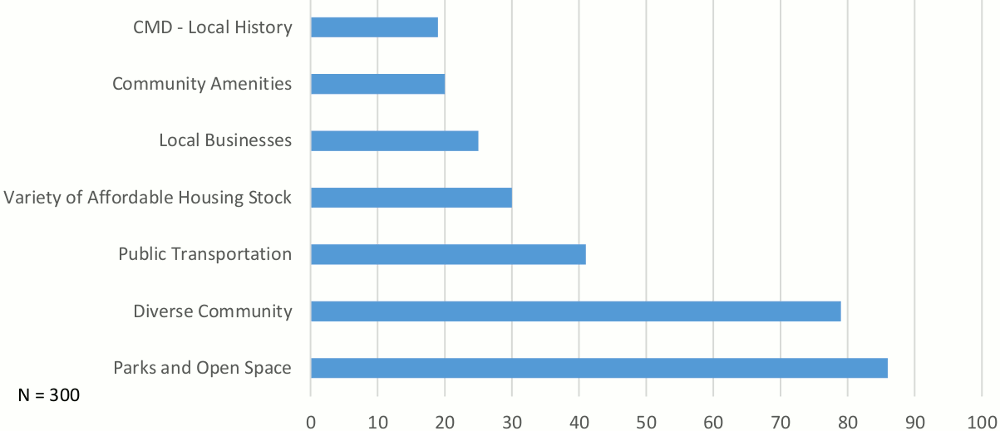
Over half of community responses related to preserving the neighborhood’s namesake park and access to green space, as well as continuing to support the programming and activities within the park district. The community strongly identified with McKinley Park as a gathering space, a hub for neighborhood activity, and as symbol of the natural beauty of the community.
Similarly, the community prides itself on the diversity of its residents and the welcoming attitude towards people of all backgrounds and ethnicities. Meeting attendees reported their desire to preserve the close-knit community culture that exists in their neighborhood, and nurture the community engagement, activism and enthusiasm that is present in neighborhood organizations.
Public transportation and the variety of available housing stock made up about a quarter of responses, while another quarter acknowledged the importance of preserving the history of the CMD and community amenities including schools, libraries, and local businesses.
Figure 3.1: Assets to Preserve for Future Generations
Source: CMAP Public Kick-off meeting, July 18, 2018.
What do you consider to be the most important issues or concerns for McKinley Park that need to be addressed in the neighborhood plan?
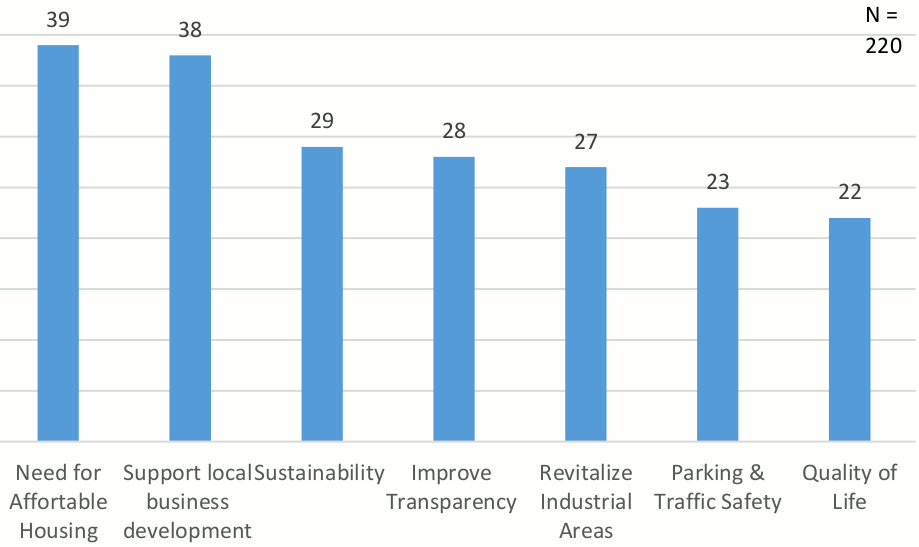
There was overwhelming concern in the written responses for the potential for housing to become unaffordable to long-time neighborhood residents, see Figure 3.2. Gentrification and displacement were identified as priority issues to address, as well as protecting home ownership and rent control. A similar number of responses raised concern for struggling local businesses on the 35th Street commercial corridor. Respondents reported the need for more investment in local business development.
Concern for environmental quality and safe access to natural areas, including the river and existing green space, were also identified as high priorities. Community members raised concerns about the harmful environmental effects caused by industrial businesses, and discussed possibilities for establishing green, eco-industry businesses instead. Most participants expressed a desired to maintain the industrial heritage of the neighborhood but had also expressed health and nuisance concerns related to those uses. Discussion of the new asphalt plant arose as a major concern related to environmental quality, and highlighted the need for improved transparency in the land use development approval process. The community is envisioning a new direction for industry, and sees public engagement in the development process as essential to realizing this vision.
Respondents also identified issues regarding parking and traffic safety and quality of life issues as priorities to address in the neighborhood plan. Drag racing, vandalism, and gang activity were cited as issues causing blight and anxiety within the community. Residents recognize the potential for high quality of life in the community, and identify these traffic and criminal activities as barriers to maintaining the community values they represent.
Figure 3.2 Priority Issues to Address in the McKinley Park Plan
Source: CMAP Public Kick-off meeting, July 18, 2018.
What specific projects or actions would you like to see completed to address these issues and concerns?
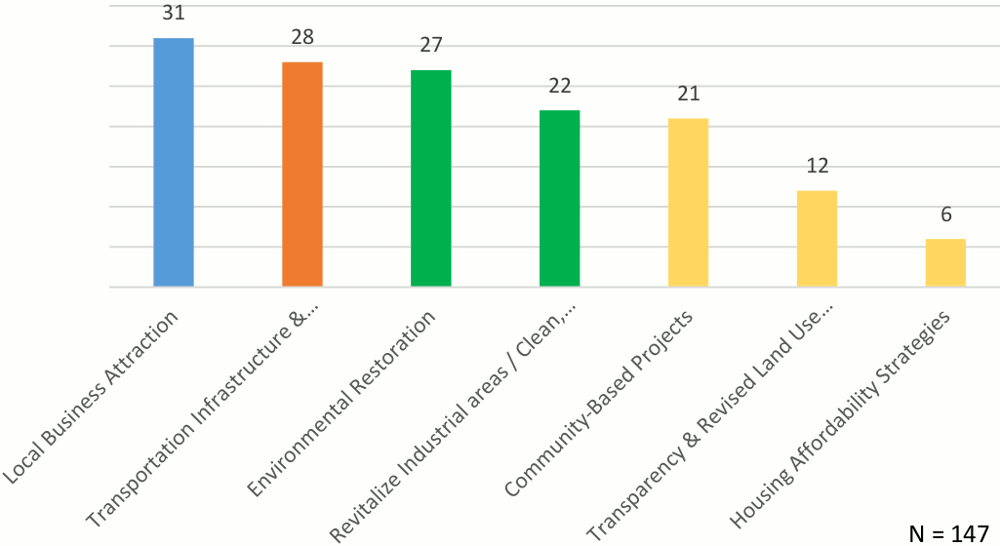
After reflecting on the assets and priority issues of concern in their community, community members offered suggestions for projects that would address these issues and align with the community’s values. Their responses varied and are sorted into several categories, as displayed in Figure 3.3. Most project recommendations related to strategies to attract businesses to the 35th Street commercial corridor, closely followed by the need for improved transportation infrastructure and safety upgrades. Suggestions included building an incubation facility for new businesses. Providing financial support for new businesses was recommended through establishing partnerships with community organizations, and strategizing ways to incentivize new development. Projects to designate bike lanes, trails and construct pedestrian bridges were suggested to provide safe transportation options throughout the community, and improve connections between established community assets like McKinley Park and the river.
Community members also recommended projects related to environmental restoration and revitalizing the industrial areas, especially in the CMD. Project suggestions related to the adaptive reuse of buildings, focusing on using vacant land and restoring buildings on Pershing Road for markets and sites for community gardens. Encouraging more green-focused industrial uses was a common theme that emerged while brainstorming project ideas for the community.
Additionally, community-based project ideas were offered that focused on providing services and programming such as employment and educational opportunities for youth (idea: establishing a trade school to teach craftsman skills), and an immigration services facility on 35th Street. The community also suggested building a community center to use as a venue and central gathering space, community theatre, and cultural center to celebrate the diversity within the community.
Figure 3.3 Topic Areas of Specific Projects to Address Concerns
Source: CMAP Public Kick-off meeting, July 18, 2018.
Who was at the Public Kick-off Meeting?
Public meeting attendees were asked to complete a voluntary questionnaire to help us identy the demographics of the workshop and compare them to the 2016 American Community Survey data for the McKinley Park Community Area. Table 3.2 shows the polling results. This poll was optional and not all public meeting participants filled out the questionnaire.
Table 3.2. “Who’s Here Today” Meeting Polling Results
| Gender | Meeting Attendees | McKinley Park |
| Female | 57.4% | 49.7% |
| Male | 39.3% | 50.5% |
| Age | Meeting Attendees | McKinley Park |
| 19 and under | 3.3% | 27.5% |
| 20 - 34 | 36.1% | 25.1% |
| 35 - 49 | 31.1% | 20.6% |
| 50 - 64 | 19.7% | 16.6% |
| 65+ | 9.8% | 10.0% |
| Race/Ethnicity | Meeting Attendees | McKinley Park |
| Asian | 6.6% | 18.2% |
| Black or African-American | 0% | 0.9% |
| Hispanic/Latino | 34.4% | 62.8% |
| White | 42.6% | 16.6% |
| Other | 13.1% | 1.5% |
| Connection to McKinley Park | Meeting Attendees | |
| I Live Here | 65.6% | |
| I Work Here | 8.2% | |
| I Live and Work Here | 9.8% | |
| I Visit Here | 16.4% | |
Source: CMAP Public Kick-off meeting, July 18, 2018.
From "Neighborhood Throngs to Development Plan Launch; Council Members Elect Expanded Board," published July 19, 2018, in the McKinley Park News:


To be as inclusive as possible and reach a broader audience, CMAP also developed an interactive website to engage people who could not attend meetings. Additionally, Spanish and Chinese versions of the survey were created to reach participants with limited English proficiency. This online tool serves to educate the community about the purpose of the project and learn about their priorities and preferred choices to address issues in and around McKinley Park. As of September 24, 2018, the web site received over 2,131 visits with 462 people leaving behind detailed comments on the challenges, priorities, and opportunities for a range of issues in McKinley Park. The interactive survey launched on July 18, 2018 and closed on September 24, 2018.
The online survey was accessible through the project’s webpage and was promoted in MPDC’s Facebook page, as well as through fliers distributed at community meetings and to public event participants. In addition, two iPad kiosks with the survey were dispatched and circulated at various high traffic locations throughout the neighborhood to ensure access to the online survey. Kiosks locations included the 12th Ward Alderman George Cardena’s office, IL State Representative Theresa Mah’s office, McKinley Park Public Library, Aquinas Literacy Center, Marz Community Brewery and One City Tap. Moving forward, CMAP staff will continue to work with steering committee members and local groups to identify engagement opportunities to reach a board audience.
Figure 3.1. MetroQuest Online Survey

Source: CMAP
Community Priorities
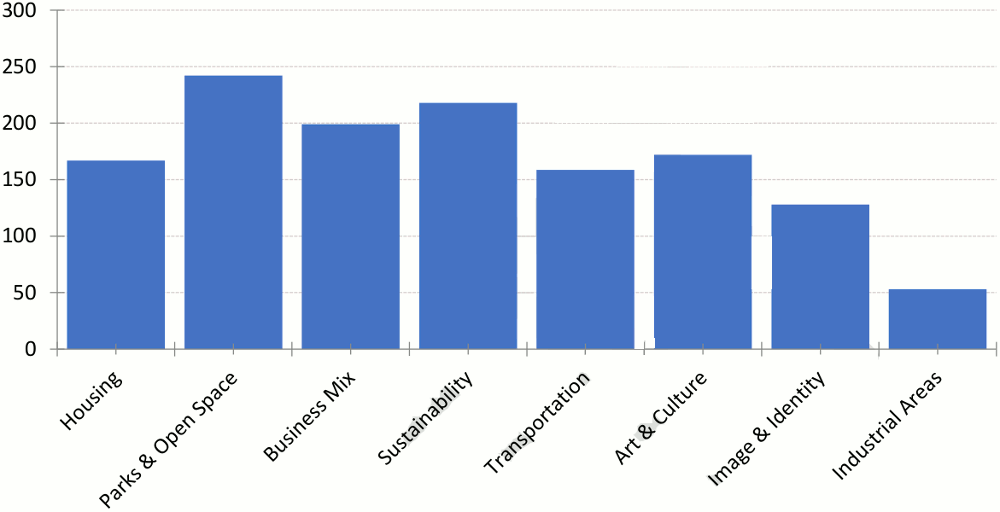
Survey participants were asked to rate the importance of various topics within community priorities, including art & culture, business mix, parks & open space, housing, industrial areas, transportation, image & identity, and sustainability (see Figure 3.2). This information will help identify priorities that are most important to the community and help to develop informed plan recommendations.
Figure 3.2 What Is Important To You?
Source: CMAP Analysis of MetroQuest Survey Results
Opportunities
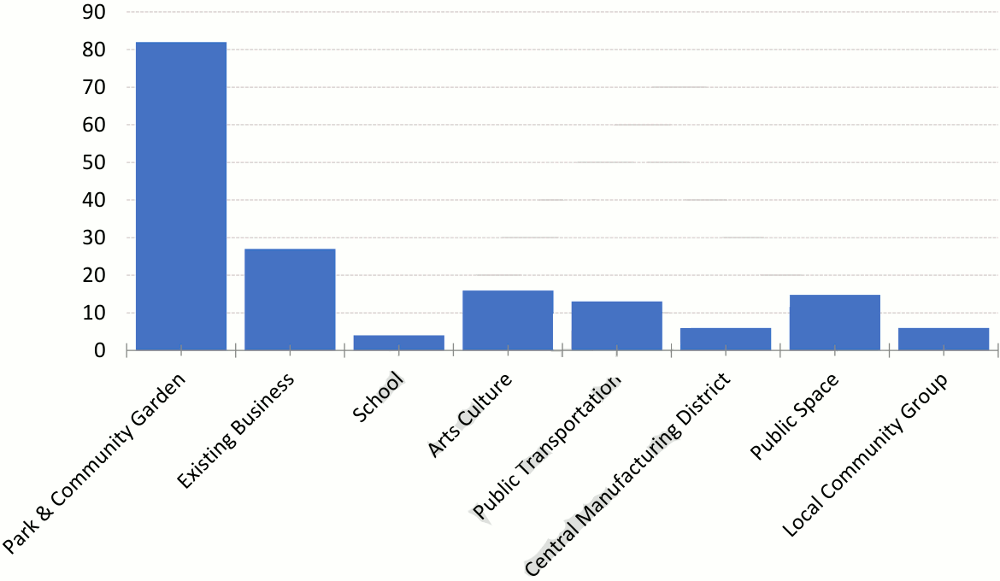
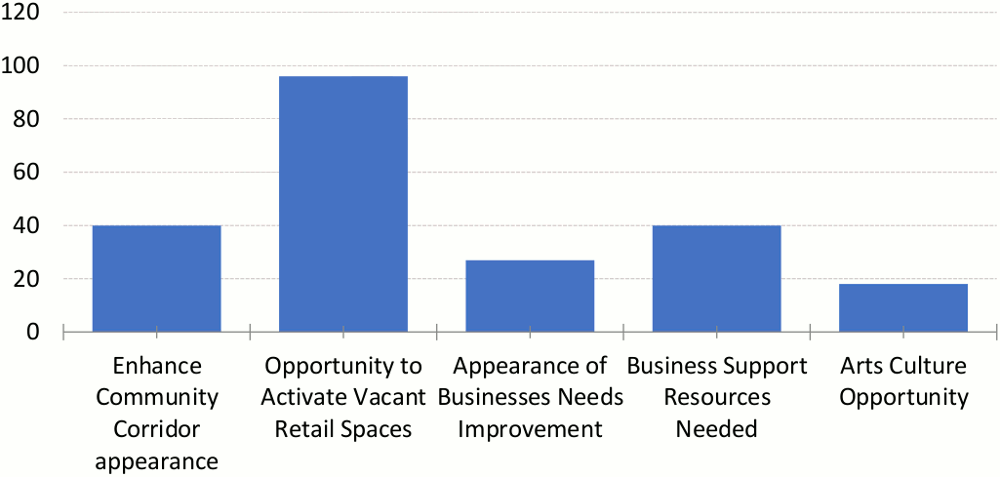
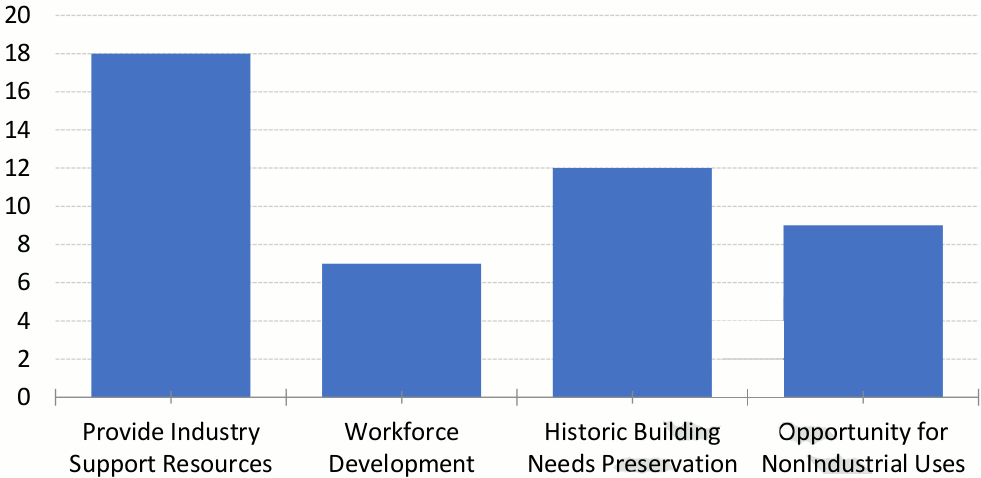
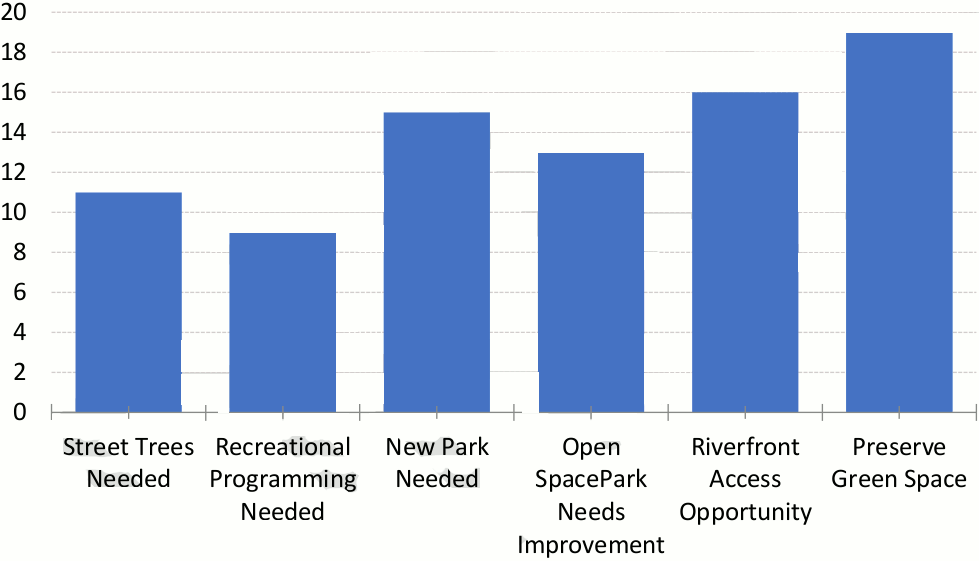
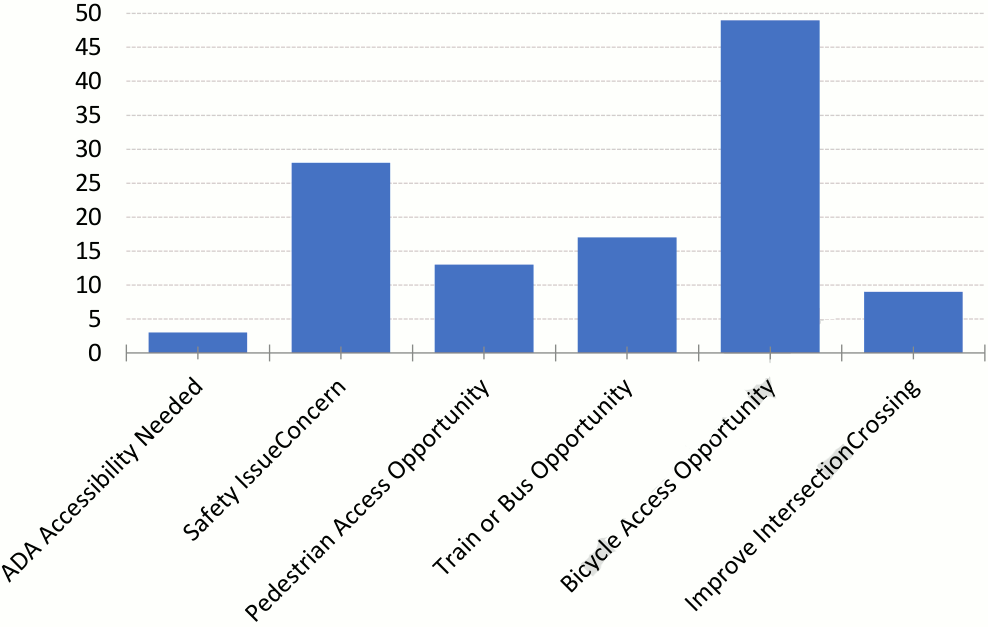
Survey participants were then asked to rate the importance of various topics within community opportunities, including community assets, development, industrial, open space, and transportation. This information will help identify priorities that are most important to the community and help to develop informed plan recommendations.
Figure 3.3 Community Assets Opportunities
Source: CMAP Analysis of MetroQuest Survey Results
Figure 3.4 Development Opportunities
Source: CMAP Analysis of MetroQuest Survey Results
Figure 3.5 Industrial Opportunities
Source: CMAP Analysis of MetroQuest Survey Results
Figure 3.6 Open Space Opportunities
Source: CMAP Analysis of MetroQuest Survey Results
Figure 3.7 Transportation Opportunities
Source: CMAP Analysis of MetroQuest Survey Results
Who Participated in the Online Survey?
Responses to the “Tell Us About Yourself” screen of the MetroQuest Survey were optional and are used only to ensure the input received represents the diversity of the community. Table 3.3 compares online survey demographics to the 2016 American Community Survey data for the McKinley Park Community Area. Table 3.3 shows the polling results. This poll was optional and not all public meeting participants completed the questionnaire.
Table 3.3. “Tell Us About Yourself” Results
| Gender | Survey Participants | McKinley Park |
| Female | 66.9% | 49.7% |
| Male | 33.1% | 50.5% |
| Age | Survey Participants | McKinley Park |
| 19 and under | 1.2% | 27.5% |
| 20 - 34 | 36.3% | 25.1% |
| 35 - 49 | 43.4% | 20.6% |
| 50 - 64 | 15% | 16.6% |
| 65+ | 4.1% | 10.0% |
| Race/Ethnicity | Survey Participants | McKinley Park |
| Asian | 12% | 18.2% |
| Black or African-American | 1.2% | 0.9% |
| Hispanic/Latino | 46.6% | 62.8% |
| White | 36.4% | 16.6% |
| Other | 3.8% | 1.5% |
| Connection to McKinley Park | Survey Participants | |
| I Live Here | 69.6% | |
| I Work Here | 5.8% | |
| I Live and Work Here | 9.2% | |
| I Visit Here | 15.5% | |
Source: CMAP Analysis of MetroQuest Survey Results
A “first-of-its-kind” focus group with business and property owners was held on September 19, 2019, at the 36Squared Business Incubator. The event drew dozens of local business owners and operators who gathered to identify shared priorities for economic opportunities in McKinley Park. An interactive small group activity was used to ask participants to provide their input on advantages, challenges, and opportunities of owning a business or property in McKinley Park. Two activities were used to provide feedback, a handout for each participant to fill out, and a mapping exercise where they indentified assets and challenges as a group. Each small group presented their ideas with the whole group, with a number of common themes emerging. Common challenges identified include zoning regulations and working with the city, lack of a business support network, and need for resources and incentives to help startups and existing businesses.
From "Development Council Advances Neighborhood Planning at Business Focus Group," published September 25, 2018, in the McKinley Park News:

Jorge Vega, left, shares the results of his breakout group's brainstorming at the September 19, 2018, focus group with the help of Ricardo Lopez from the Chicago Metropolitan Agency for Planning.
To reach a broad range of participants, especially those who were not able to attend prior outreach events, CMAP staff held listening meetings with local activists and residents at various community group meetings during the month of September 2018. On September 5, CMAP Staff met with members of the McKinley Park Civic Association, on September 6 with Neighbors for Environmental Justice, on September 12 with CAPS meeting participants, and on September 13, with parents and teachers at Greene Elementary School Open House. Listening meetings are a great way to educate and inform community residents about the planning process while learning about what’s important to them and their community. Comments included creating safe public spaces for youth, revitalizing 35th Street Corridor, improving the pedestrian environment along Archer Avenue, and attracting a mix of shopping and retail experiences while supporting existing small businesses.
Many participants expressed concern about the impacts to air quality as a result of new uses in the CMD. Increased truck traffic and the proximity of these uses to existing parks and residential areas where youth play was a top concern among many participants. Transparency in local development decisions was raised from group to group as a common necessity.
From live music performance to local food and small shops, residents interacted with one another while shopping for fresh produce at the McKinley Park Farmer’s Market. CMAP staff attended the Farmer’s Market on Sunday, August 19, 2018, and gathered feedback from residents in attendance via the MetroQuest Survey on iPads and one-on-one discussions. Key topics included pedestrian safety, quality programming activities for all ages, and small business support. CMAP staff also attended the Midnight Circus in the Park on Friday, August 31, 2018, to distribute surveys and gather feedback from local residents in attendance. The event was a weekend-long family-friendly event that drew participants from McKinley Park and neighboring communities.
A project webpage for the plan is located under CMAP’s LTA program webpage. The project page introduces the plan and study area, and details planning process, public engagement, plan timeline, and project partners with contact information. To expand upon traditional methods of community engagement, CMAP Staff developed a social media campaign to promote the project, engage a broader audience, and provide links to interactive engagement efforts. MPDC holds a Facebook page in active use with a reach of over 300 people. With support from CMAP’s communication staff, MPDC launched a social media campaign to raise awareness and encourage public participation at community events.










Log In to comment on this item.
Subscribe
Report
My comments