


THE VISION
Protect, preserve, and expand the natural assets of the neighborhood, and ensure that residents have access to natural amenities and community programming in the future.
Introduction
McKinley Park’s access to open space and proximity to the Chicago River are strong neighborhood assets. Preservation of these natural resources is an important component of not only improving the neighborhood’s air quality and community health, but also providing recreational opportunities for residents and visitors.
- McKinley Park’s access to open space is one of the community’s greatest assets. McKinley Park residents enjoy access to over 70 acres of open space, most of which are located in the neighborhood’s namesake park. The park offers passive and active recreational opportunities, as well as space for community events that attract residents and visitors from nearby areas.
- The presence of the South Branch of the Chicago River along the neighborhood’s eastern border could be better utilized. Remediation of Bubbly Creek is an important component of improving its recreational opportunities and connecting McKinley Park residents to the waterway. Several initiatives to restore the river’s ecosystems and enhance its recreational potential are underway. The community has a strong desire to build better connections between the riverfront and the neighborhood through improved amenities.
- Numerous community programs make for an active and cohesive neighborhood. Community initiatives and programming enhance the residents’ quality of life and offer opportunities for community building activities. However, many of McKinley Park’s community programs are volunteer-led, which poses challenges to expanding and enhancing these activities.
- McKinley Park residents are passionate about maintaining their neighborhood’s natural resources and enhancing recreational activities. Initiatives like community gardens and the McKinley Park stewardship days exemplify residents’ commitment to maintaining the neighborhood’s natural resources. Residents have expressed a desire to continue delivering programs that improve the overall health of all residents.
The recommendations outlined in this chapter reinforce the community’s commitment to maintaining the neighborhood’s existing open space and natural resources, and identify strategies that could help activate parks and open space, support community programming, and encourage active transportation.
While cars may continue to be the primary mode of transportation for most residents, other other modes — like walking and bicycling — could make up a greater share of trips in the future. These active modes of transportation would activate the neighborhood sidewalks and improve the community’s overall health and well-being. Sidewalks throughout McKinley Park are prevalent on both sides of the street in residential and commercial areas, which is an important factor in encouraging walking and in turn promoting better health for residents. However, limited bicycle infrastructure in the community poses a barrier to encouraging a wide use of this type of transportation. Recommendation 5.5 outlines proposed public infrastructure investments to expand and enhance the bicycle infrastructure network in McKinley Park.
Equally important to investing in public infrastructure is organizing bicycling activities such as neighborhood rides and bicycle-themed events. Not only will this help build community, but it will also promote safety and education about biking in the city.
Parks and open space are central to the livability of a community and the quality of life of its residents. McKinley Park’s residents enjoy access to 72.5 acres of open space, the majority of which are located in the neighborhood’s namesake park. The park offers various leisure opportunities and recreational activities that attract both residents and visitors from surrounding neighborhoods. Preserving and enhancing these neighborhood assets is an important aspect of improving the quality of life of residents.
Preserve and enhance McKinley Park’s natural resources, and improve recreational facilities at Hoyne Park and other smaller public parks
Preserving and enhancing McKinley Park’s natural resources and recreational opportunities will ensure that the community is livable for generations to come. MPDC should coordinate with the neighborhood’s park advisory councils to seek out programs and funding sources that can maintain and preserve the neighborhood’s natural and recreational assets. A potential partner in these efforts is Friends of the Parks, an advocacy organization that supports park advisory councils throughout the city by providing technical assistance, workshops, networking meetings, and funding through Seed Grants.
Activate Western Boulevard and celebrate its historical significance as an extension of the Chicago boulevard system
The presence of Western Boulevard in McKinley Park is a neighborhood asset that should be activated and celebrated for its historical significance. Western Boulevard offers passive open space and is an important link between McKinley Park and other key destinations. Improving access to the boulevard with safe pedestrian connections and enhanced bike infrastructure could help activate this important extension of Chicago’s boulevard system. The open space along Western Boulevard’s median can also be enhanced with native plants that would not only create an aesthetically pleasing landscape, but also provide services like stormwater management. MPDC should coordinate with the alderman’s office to engage the Chicago Department of Transportation in the activation and enhancement of Western Boulevard.
Engage McKinley Park Residents in the maintenance of their community park
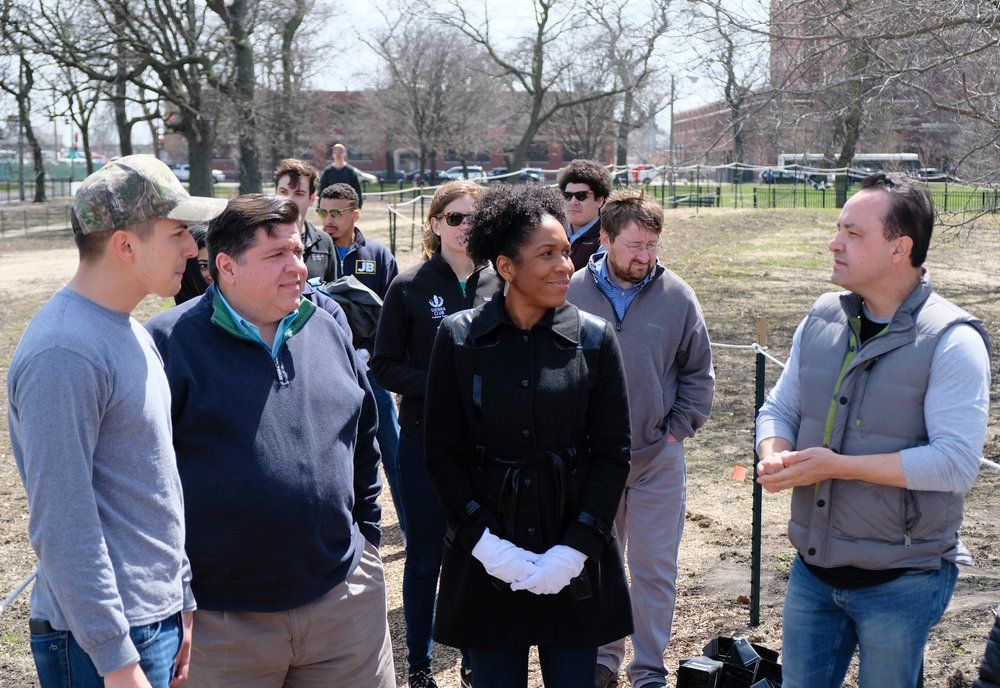
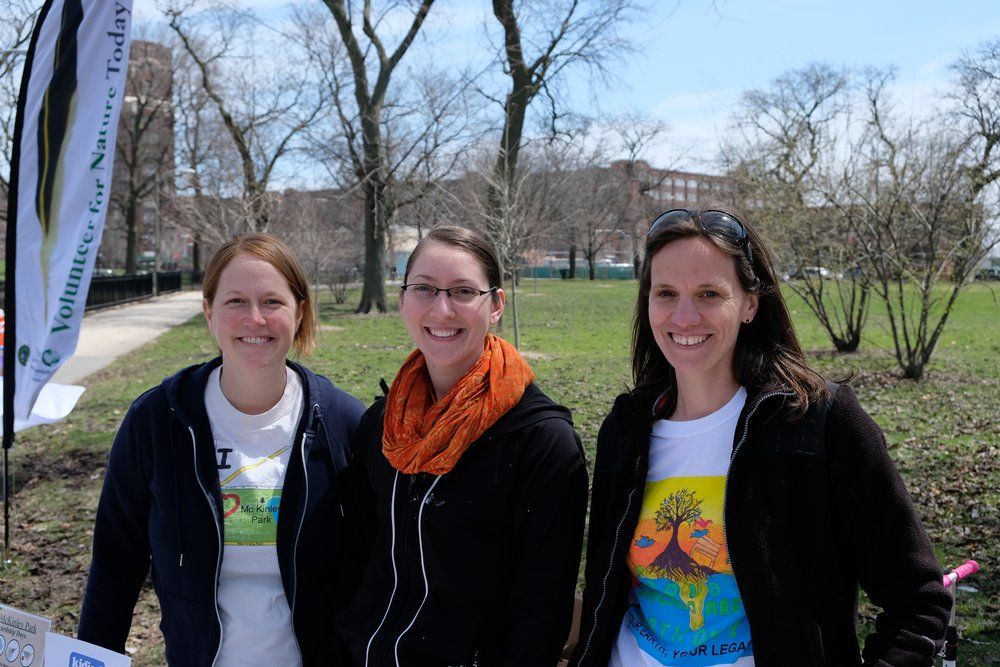
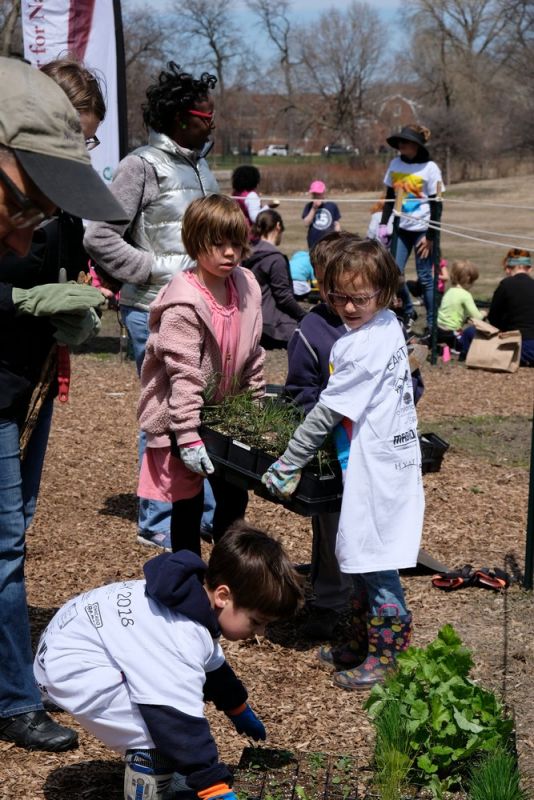
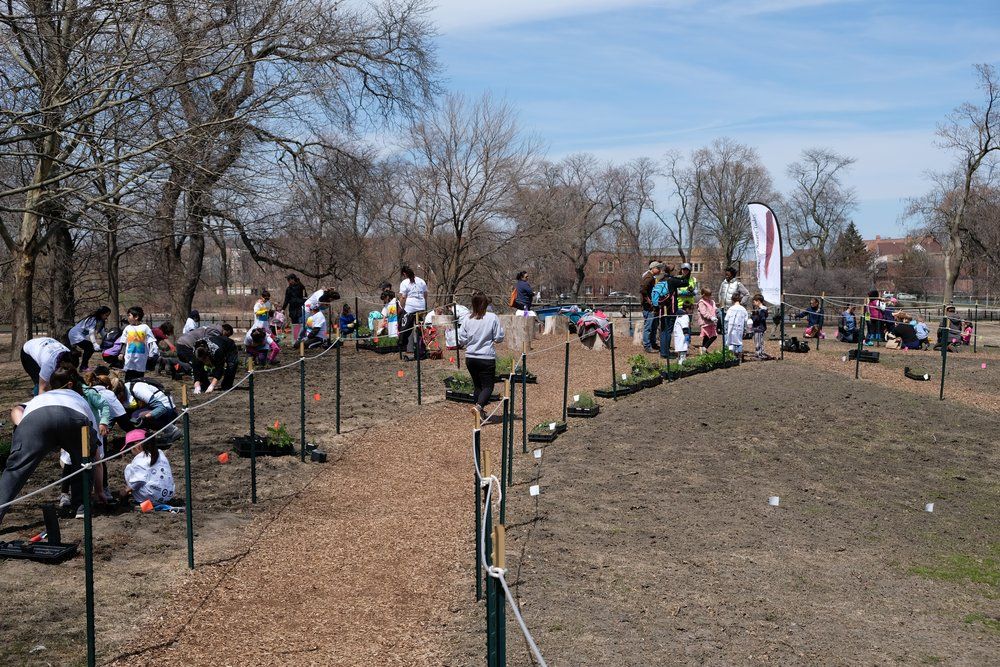
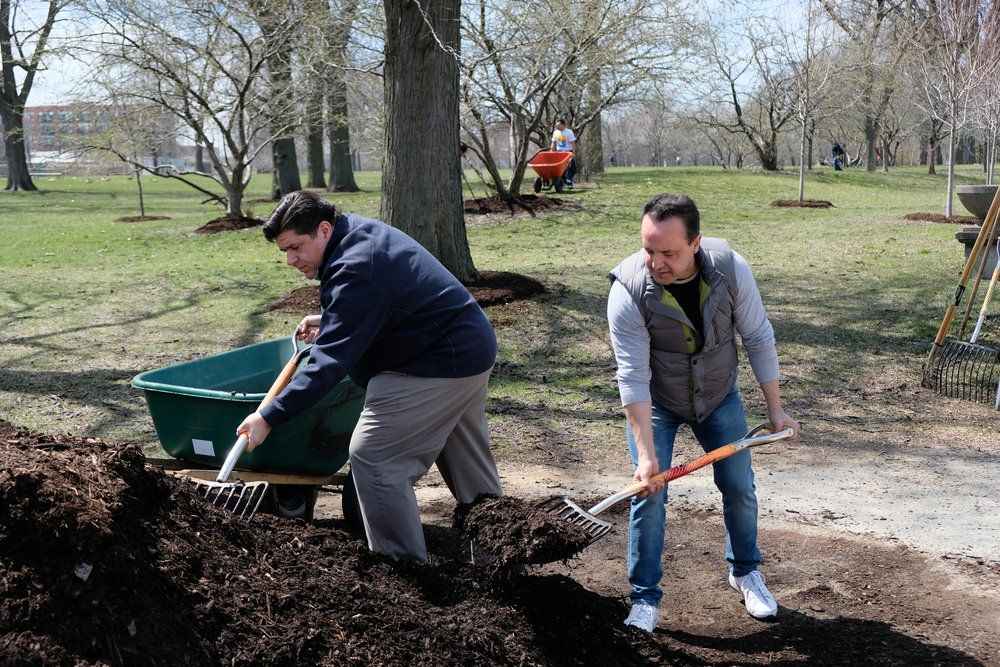
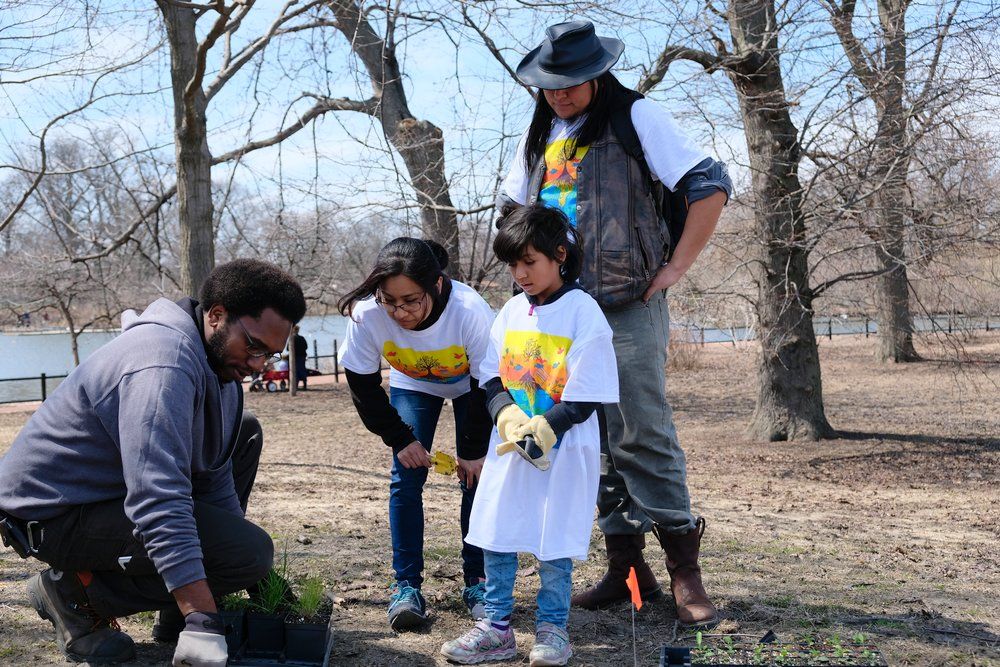
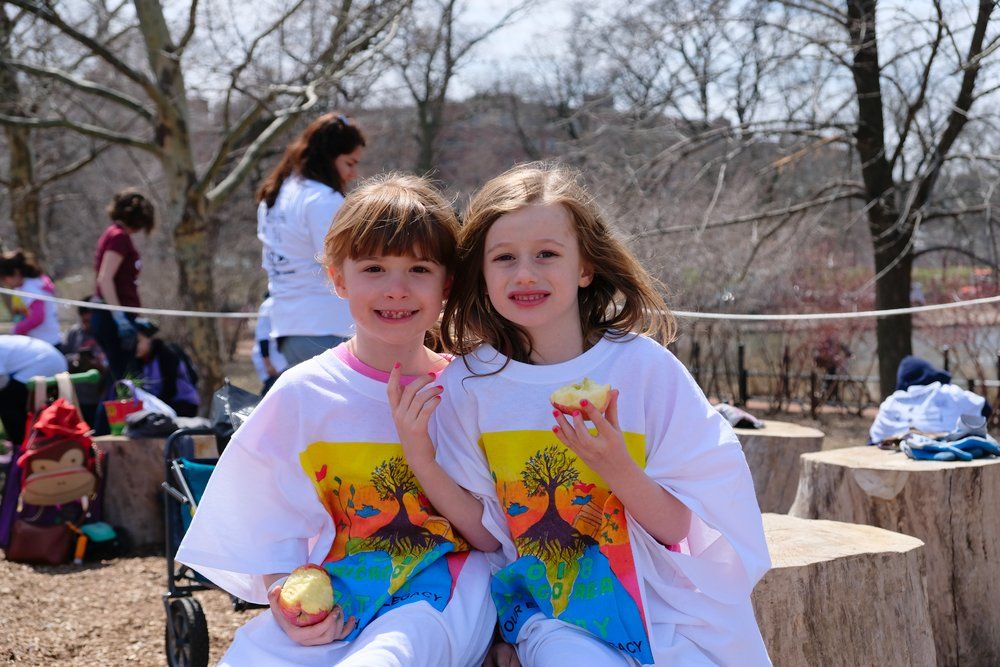
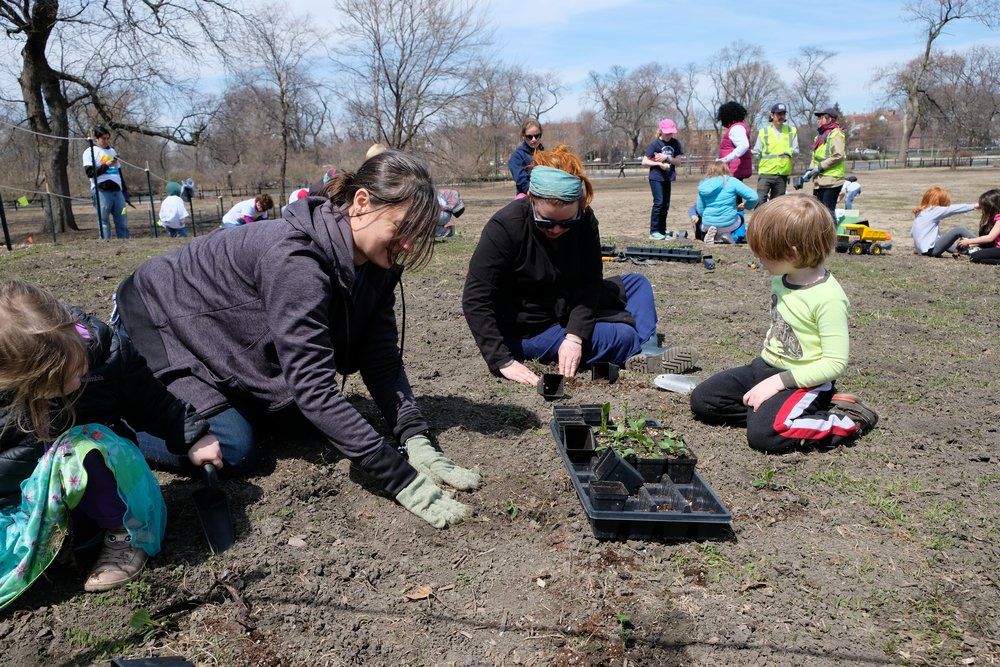
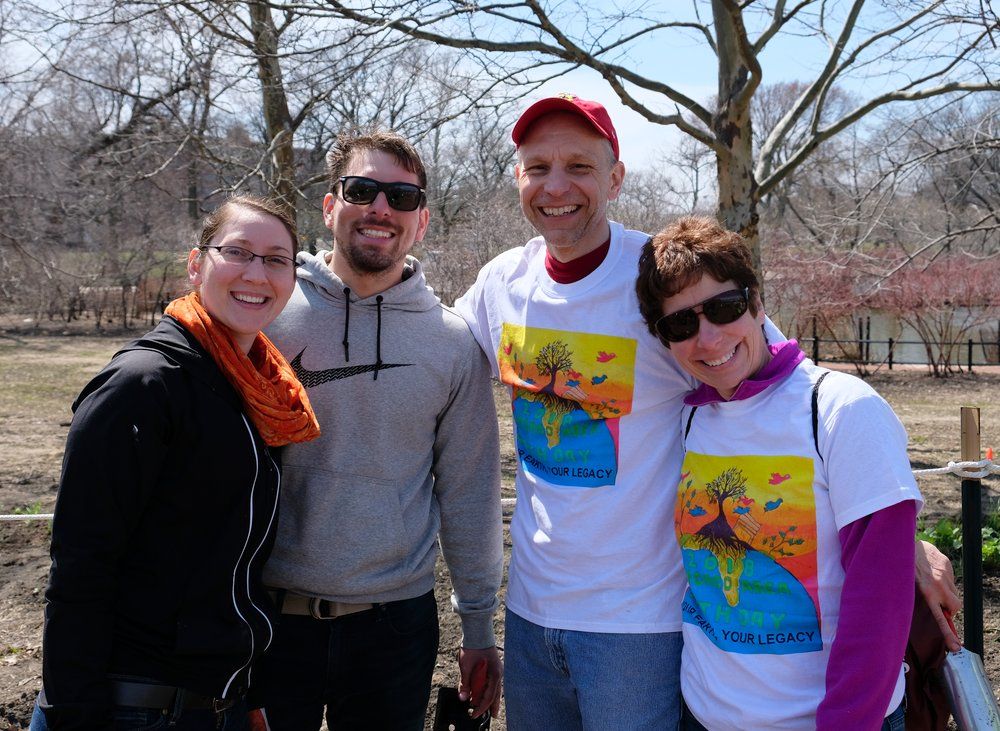
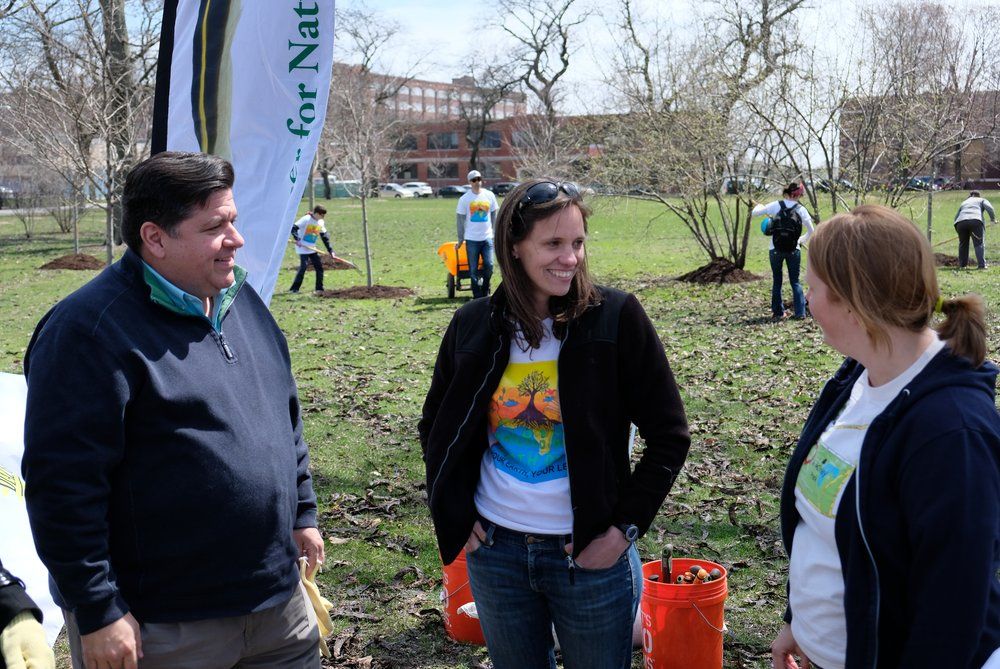
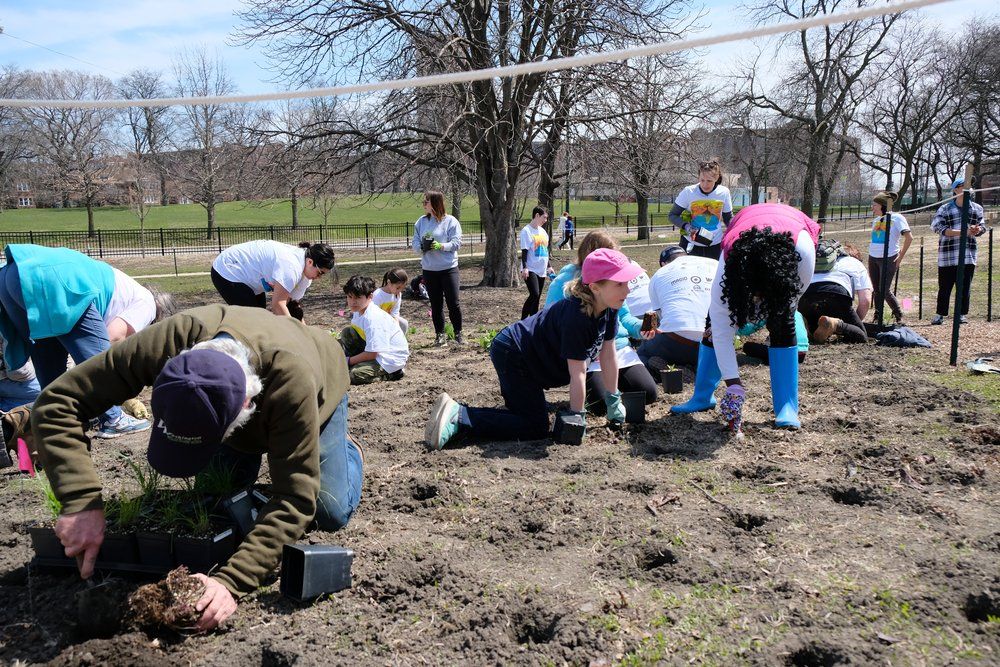
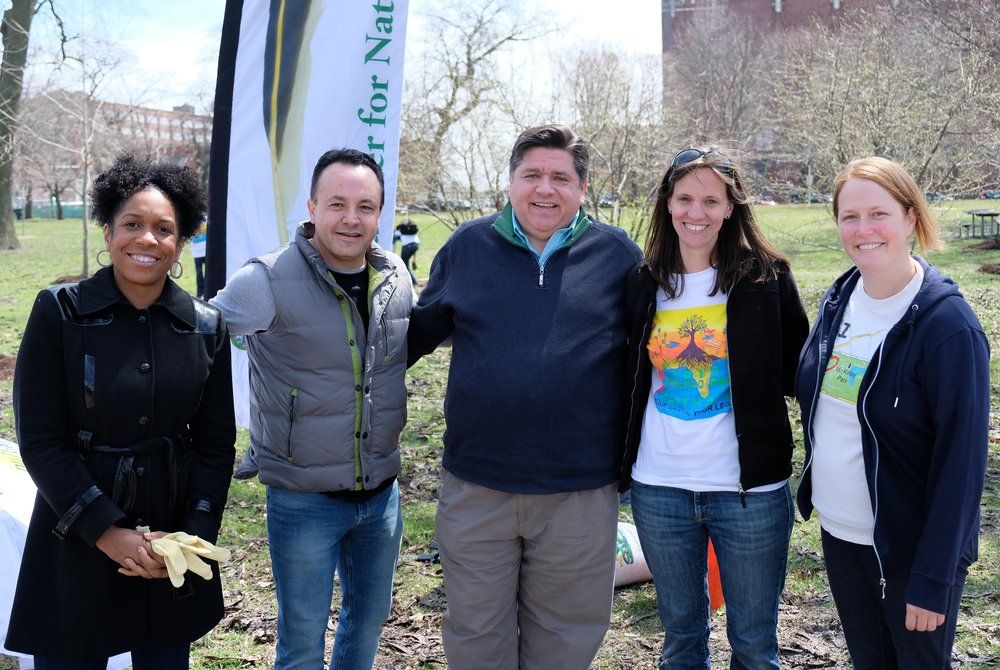
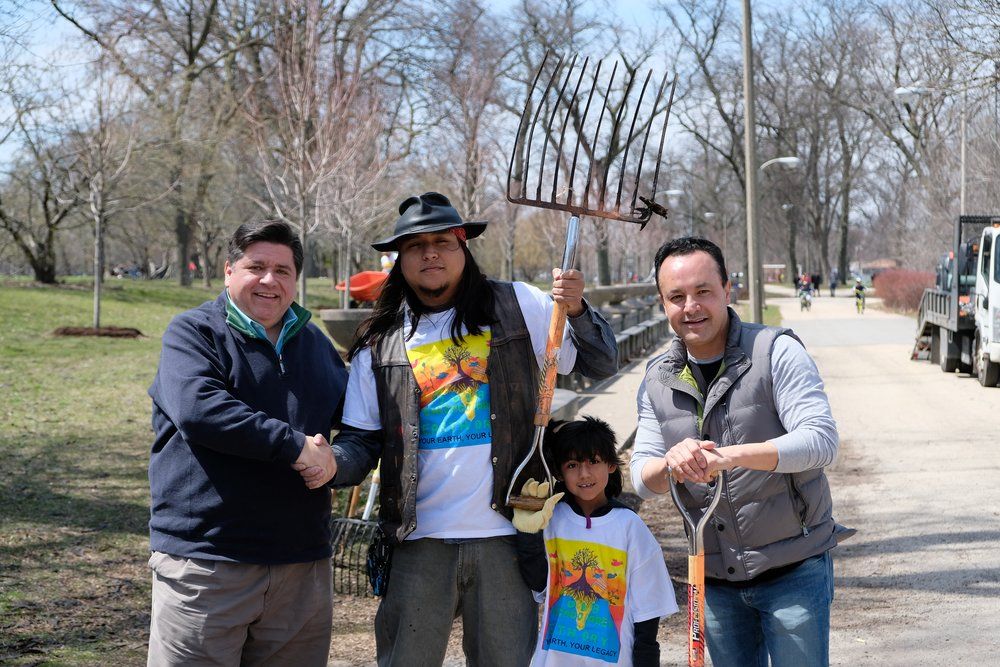
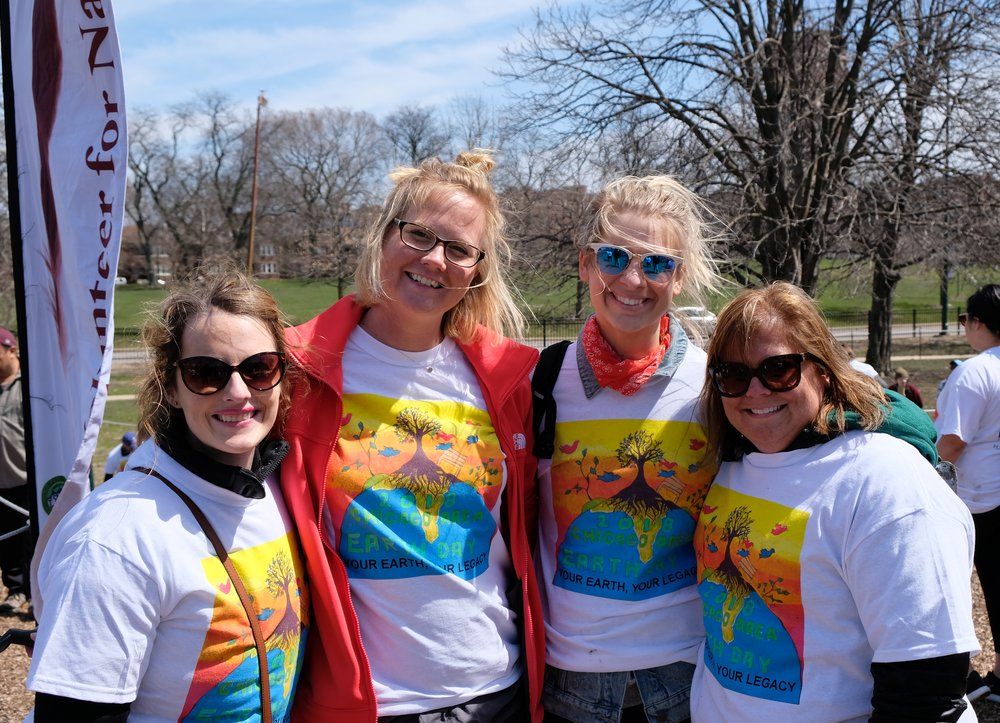
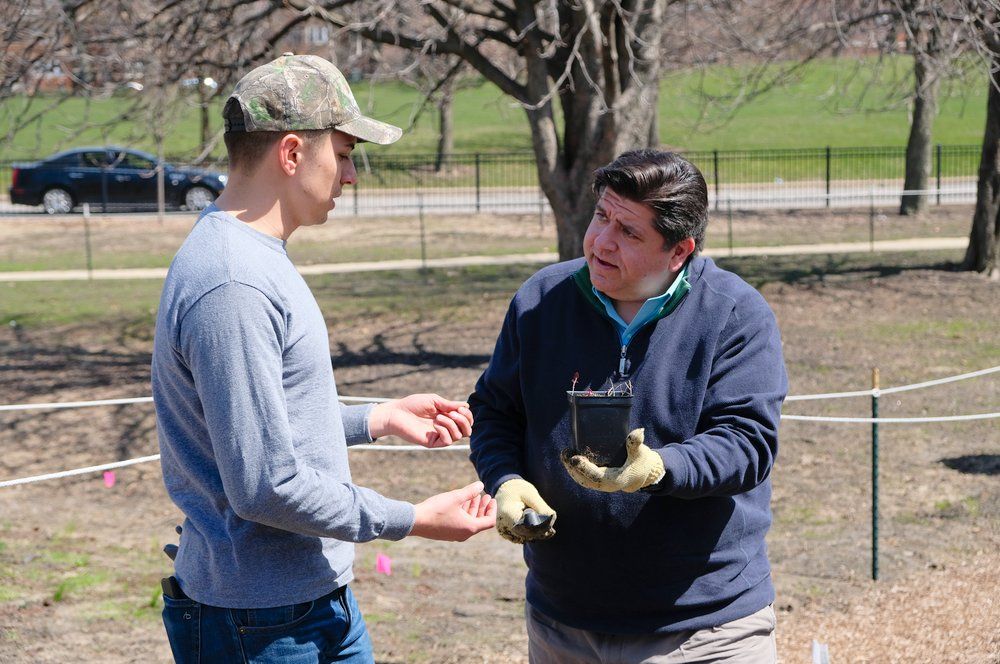
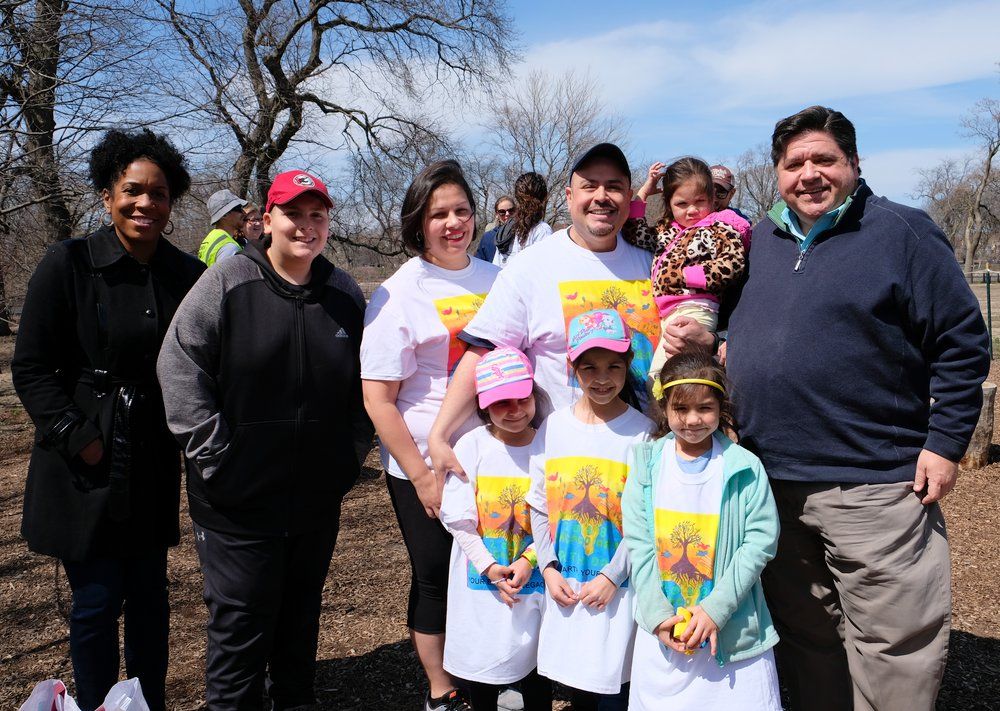
The neighborhood’s parks advisory councils are an important avenue for engaging residents in the maintenance of community parks, through events like McKinley Park Stewardship Day. To support existing efforts, MPDC should coordinate with all of the neighborhood’s park advisory councils to organize and market regular community-wide volunteer days, and other opportunities for residents to become stewards of community parks.
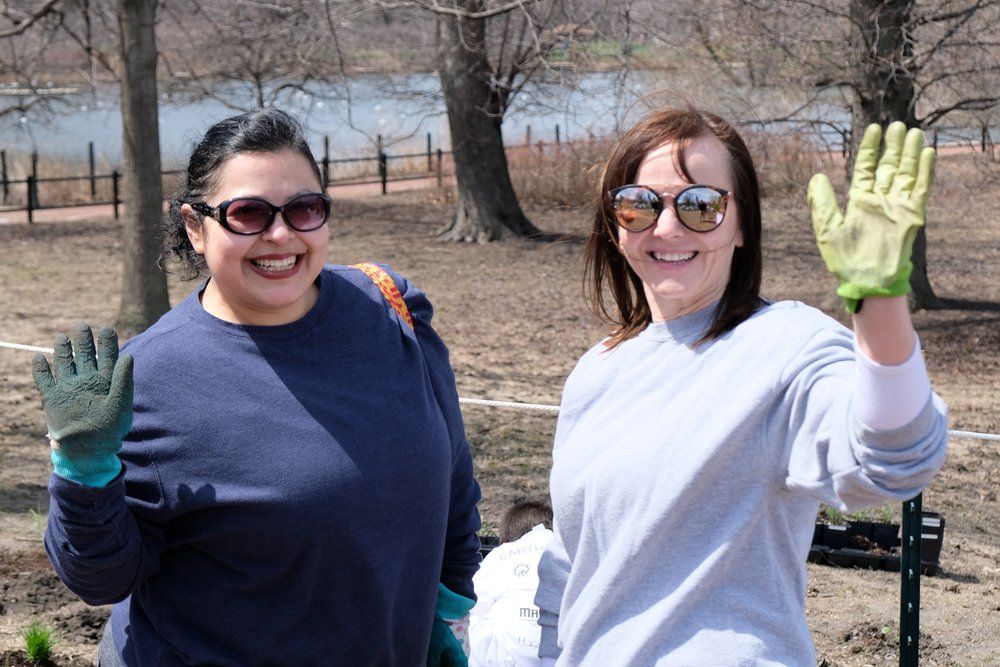
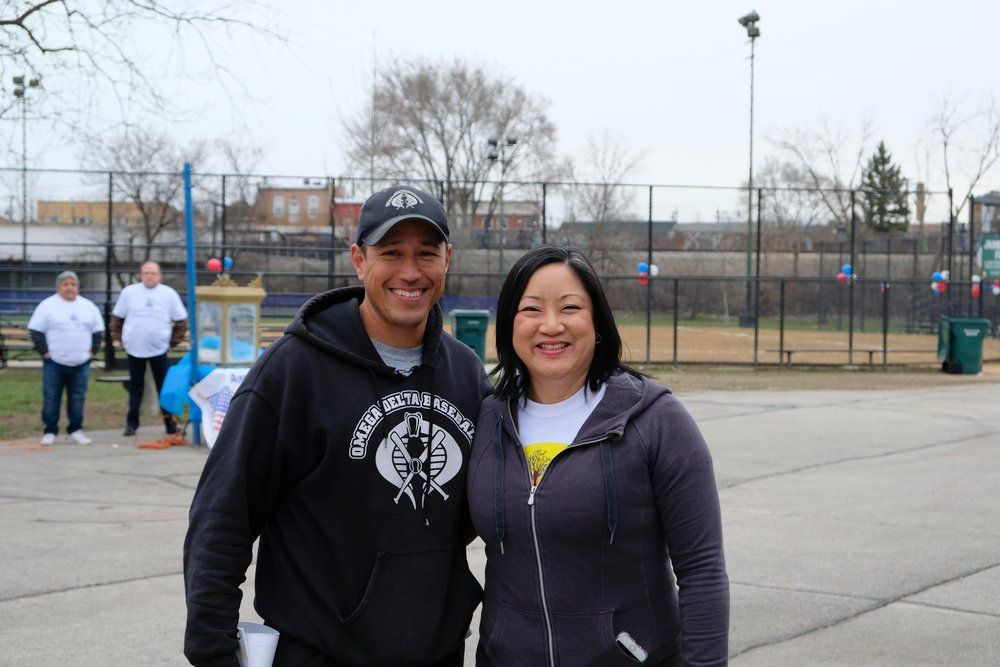
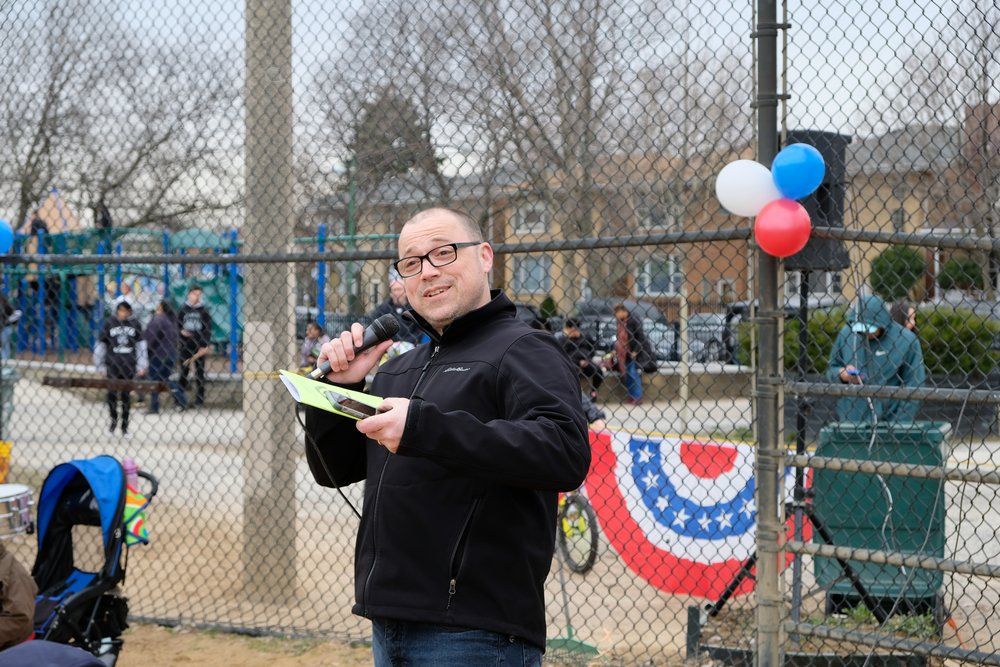
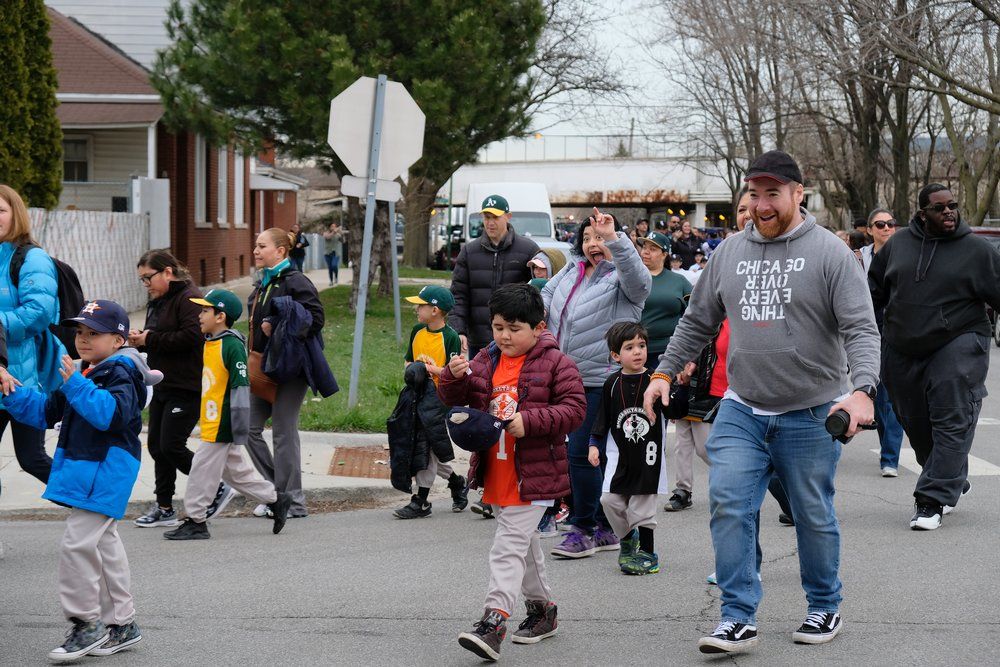
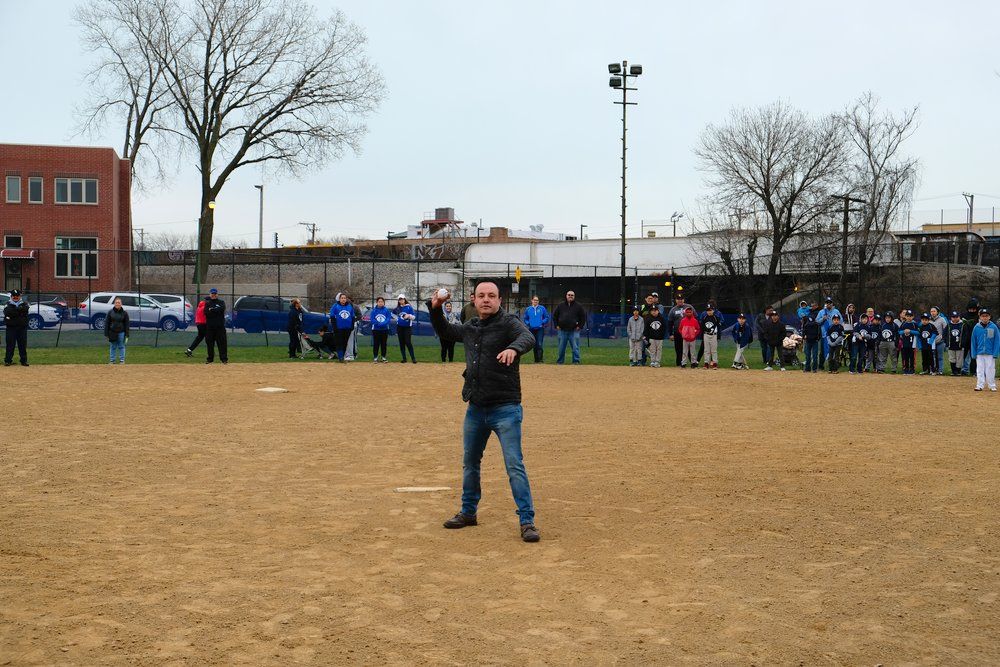
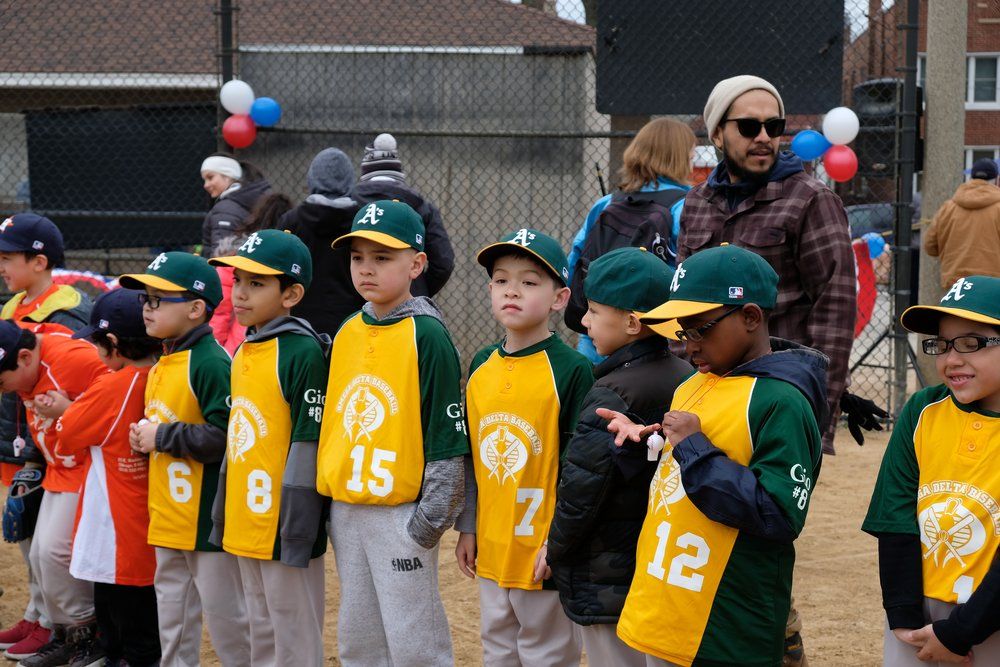
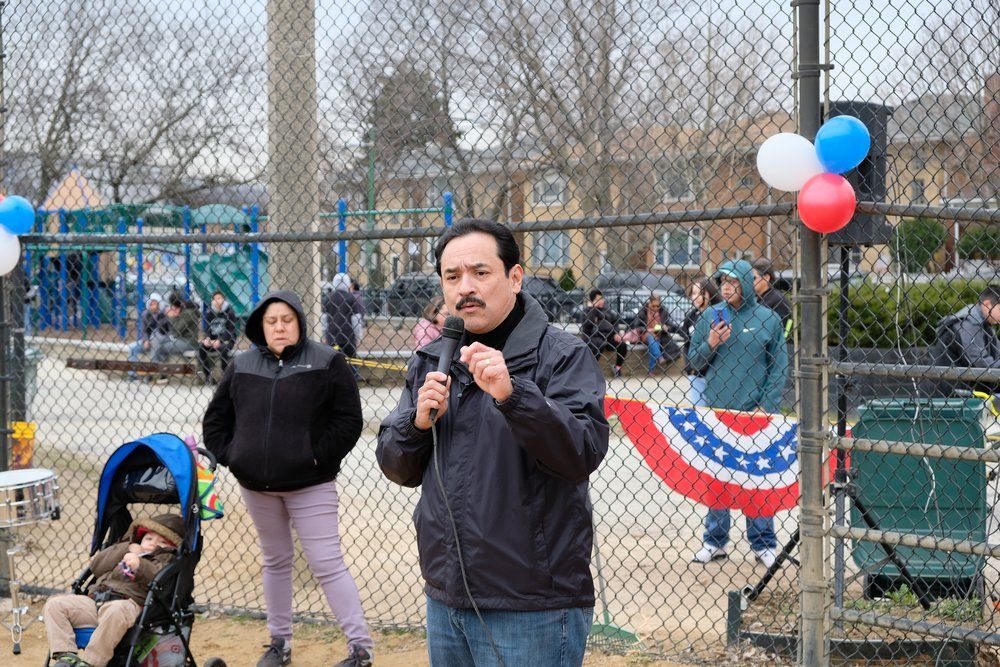
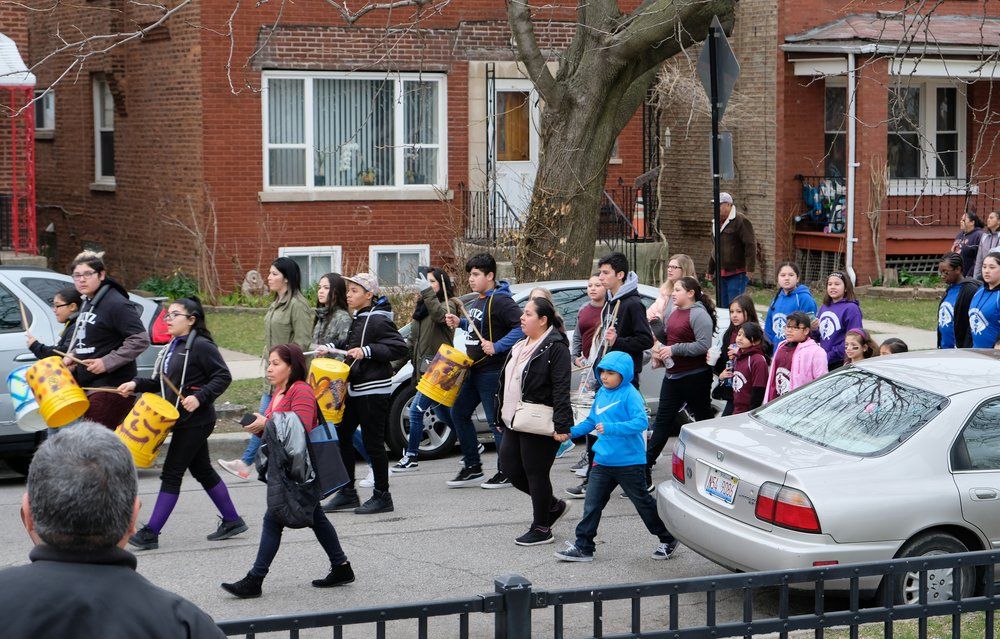
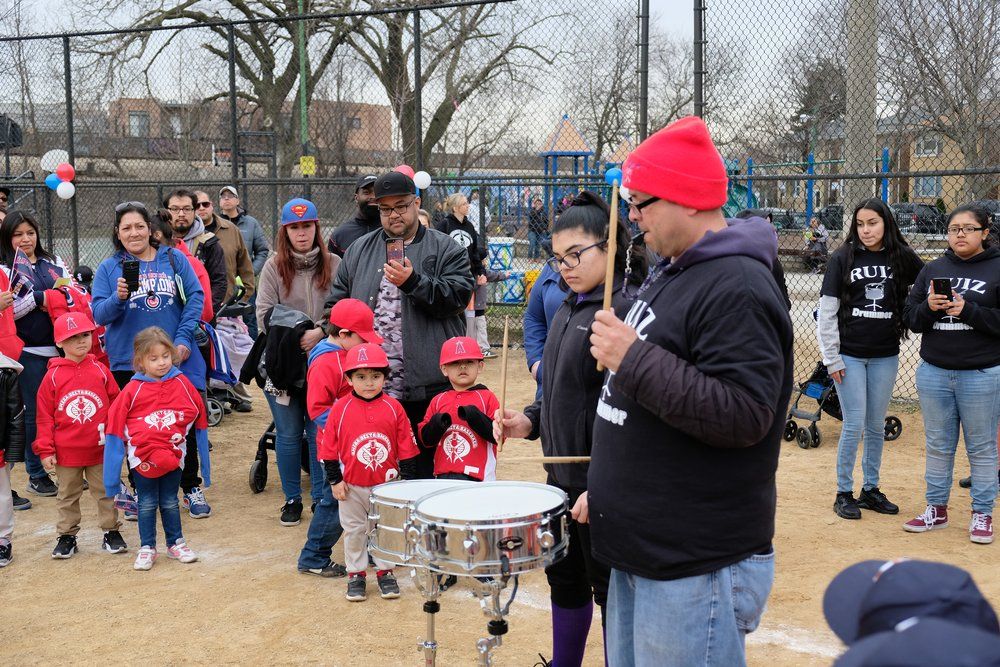
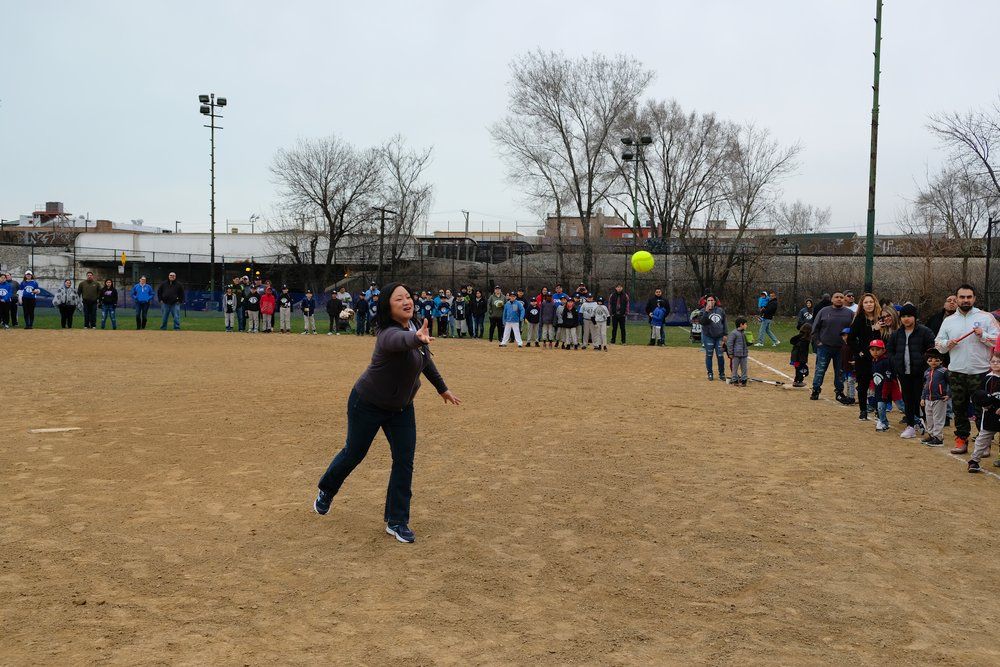
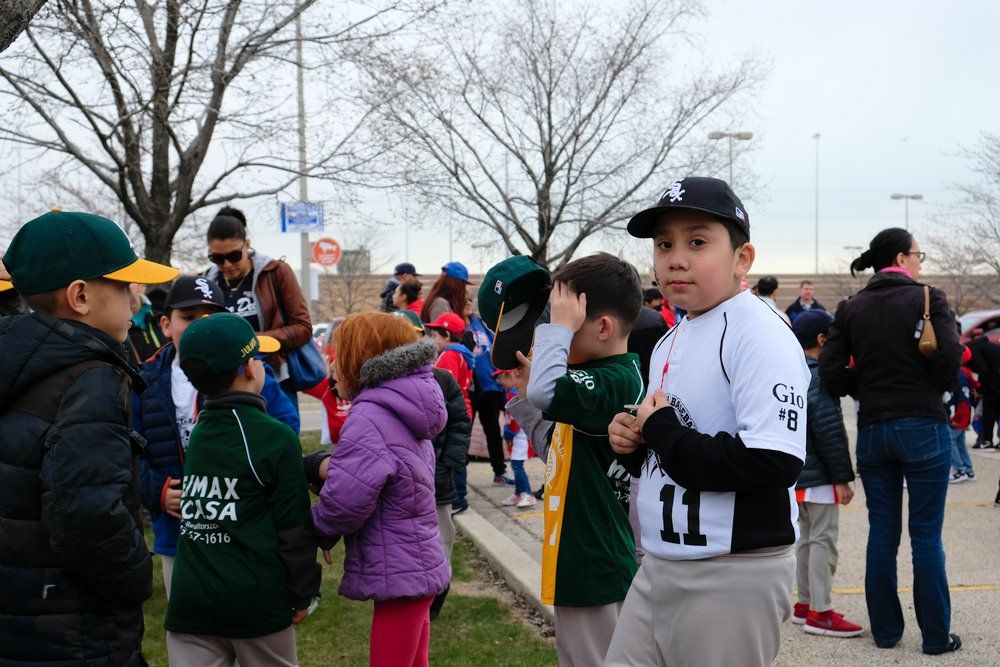
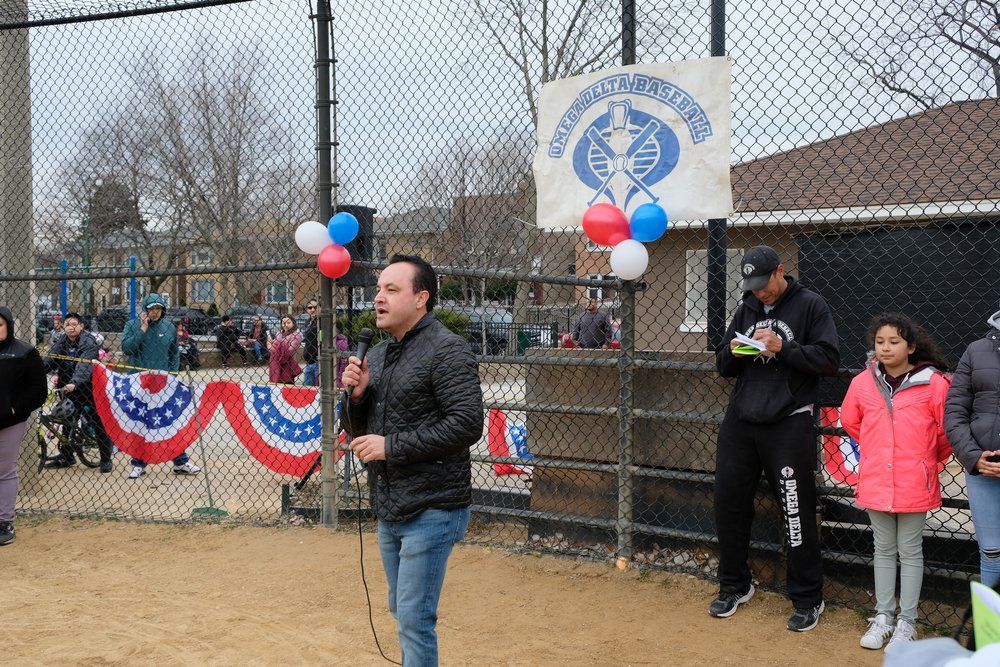
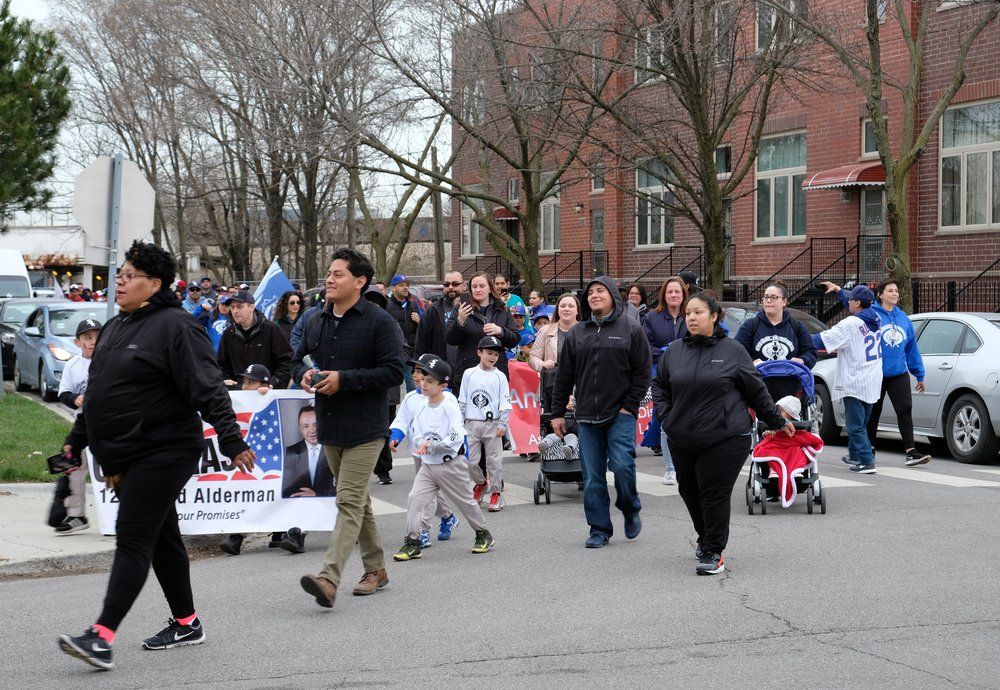
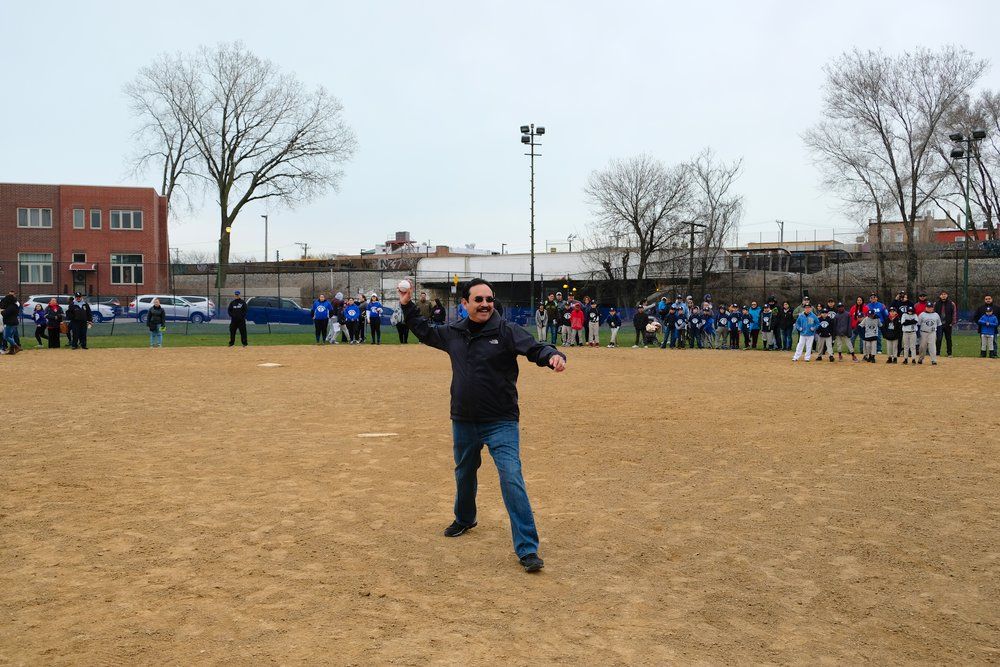
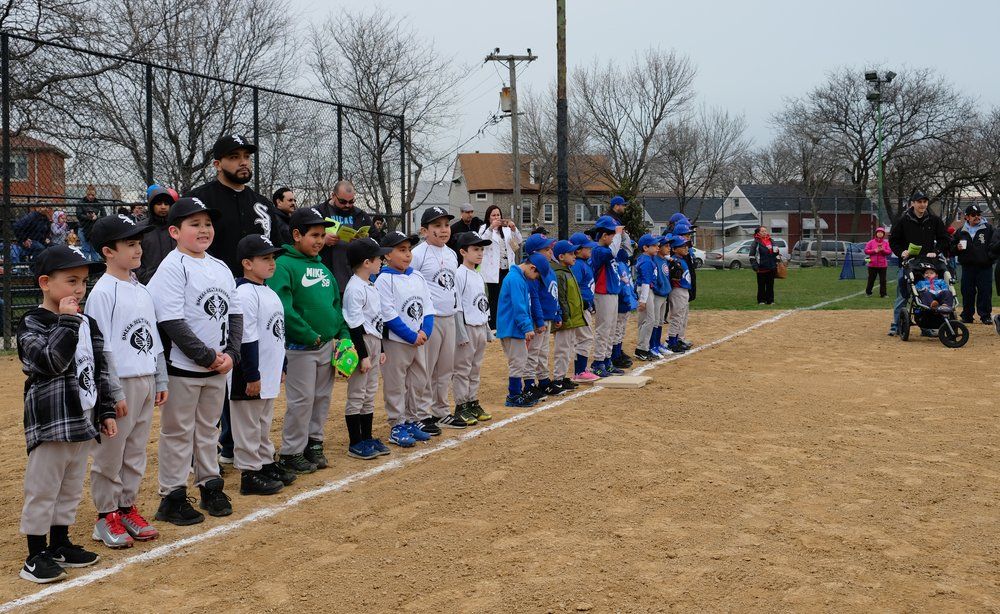
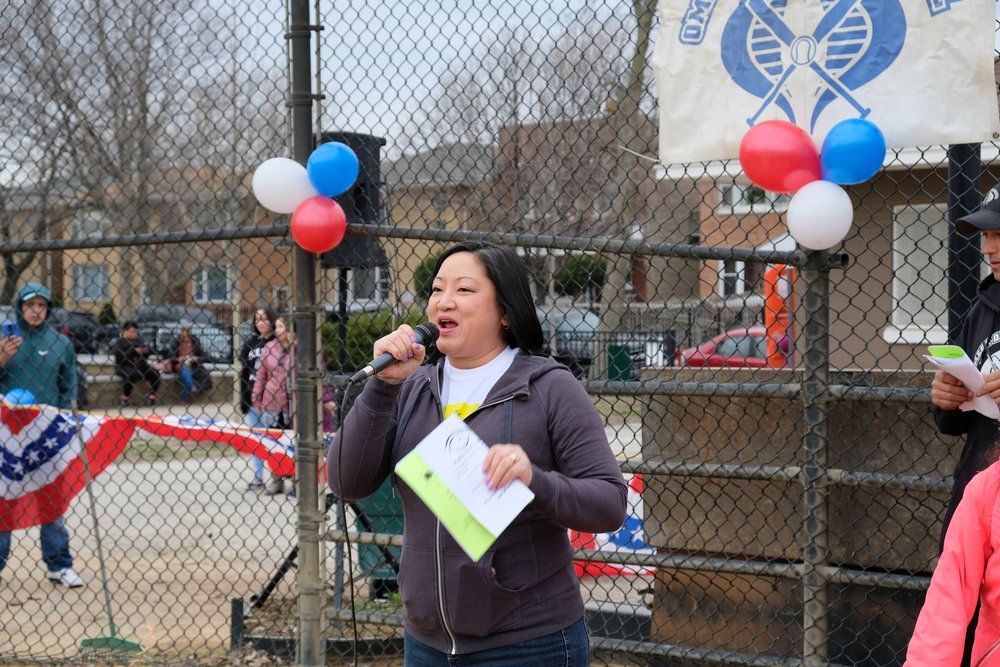
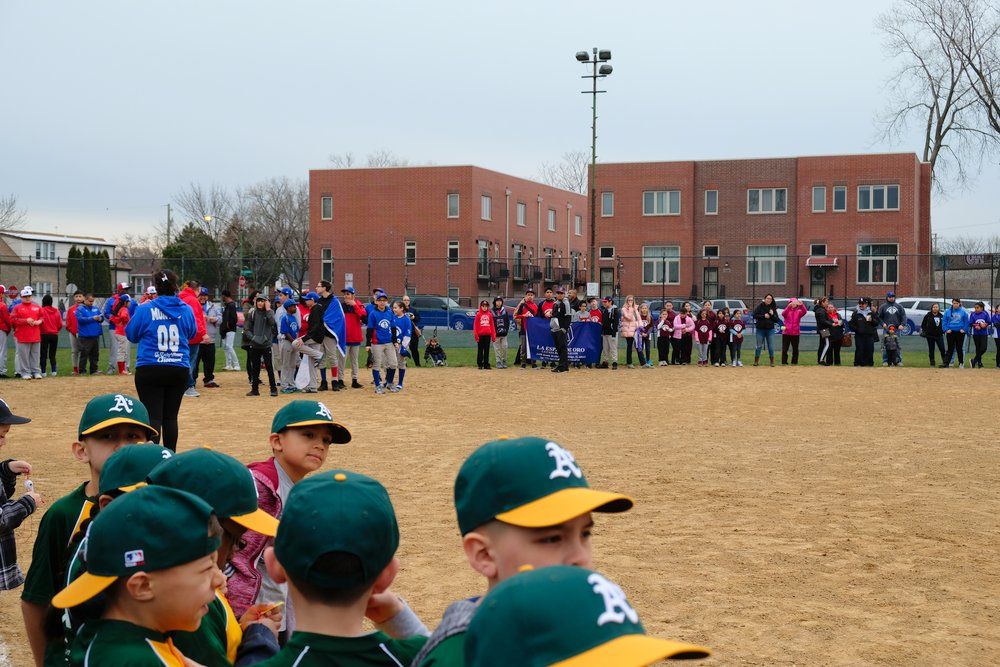
Photo gallery from "Politicos, Neighbors Flock to Parks for Spring Kickoff Events," published April 24, 2018, in the McKinley Park News.
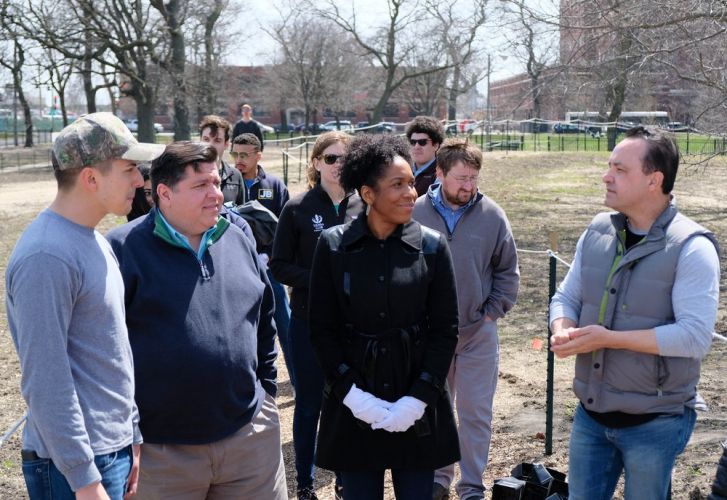
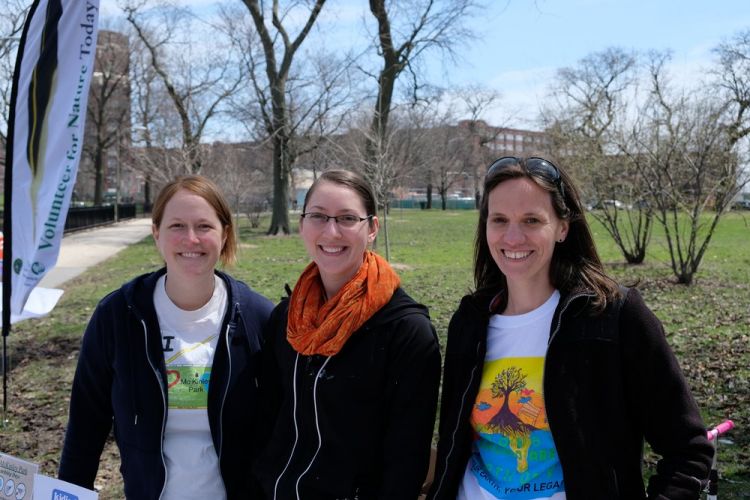





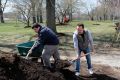
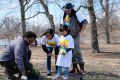

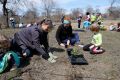

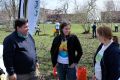
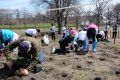

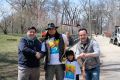
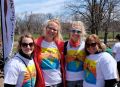
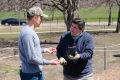
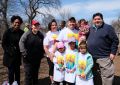
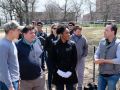
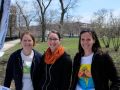
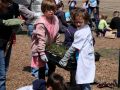
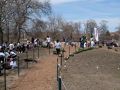

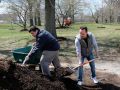
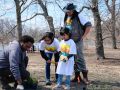
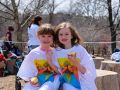
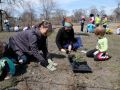
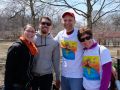
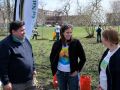
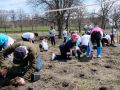
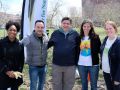
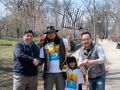
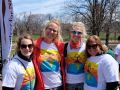
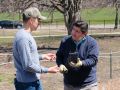
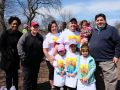
A number of community programs, like the farmers market, community gardens, and beautification initiatives, make for an active and cohesive neighborhood. However, many of these initiatives are run by volunteers, which poses a challenge to sustaining and expanding community programming. Volunteer-driven activities should be supported through available resources, so that community programming for all ages could be enhanced.
Encourage active transportation and healthy living through programs and activities
Throughout the planning process, residents expressed a desire for a more pedestrian- and bicycle-friendly environment, which can contribute to community health. Community-wide events should be organized in conjunction with partners like Active Transportation Alliance, the Chicago Park District, and local hospitals and health care providers to encourage the use of active transportation and communicate the benefits of walking and biking. Recommendation 7.1 outlines additional strategies for encouraging the use of active transportation in McKinley Park.
Support community programming volunteers
Supporting volunteers through available resources is an important component of sustaining and expanding community programming in McKinley Park. MPDC should seek grant funding, from organizations like the Chicago Community Trust, to support the work of volunteers. Volunteer fairs and other events should be organized to encourage more community involvement from the neighborhood’s residents.
Continue to develop community programming for all ages
Residents and visitors of all ages should have opportunities to participate in McKinley Park’s community programming. Programs for adults and seniors should be expanded to improve community engagement and the health and well being of all residents. Potential programs could include adult health and wellness classes, a neighborhood runners club, and recreational opportunities for active seniors.
Strengthen year-round activities for youth
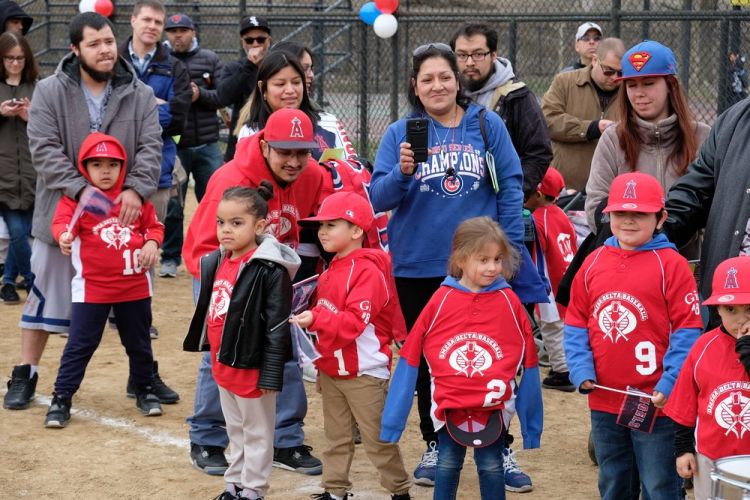
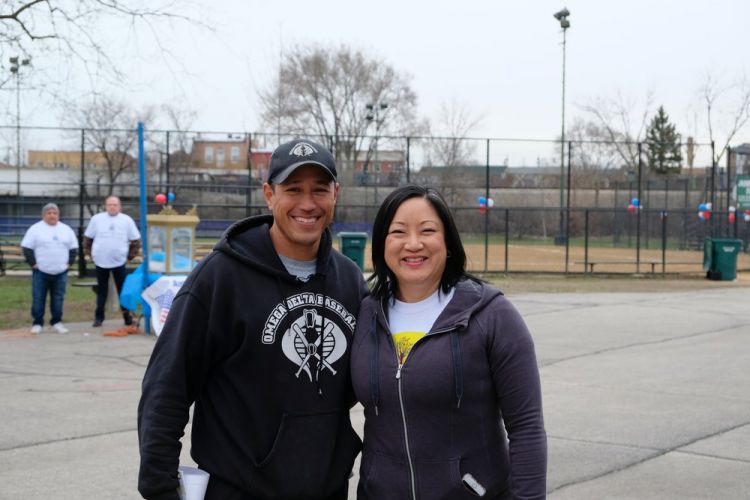
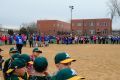
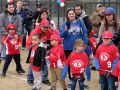
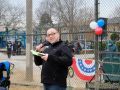
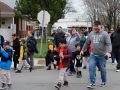
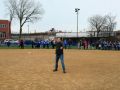
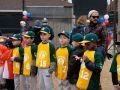
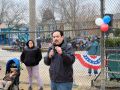
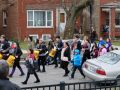
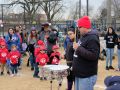
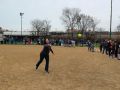
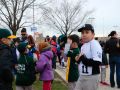
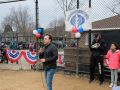
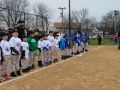
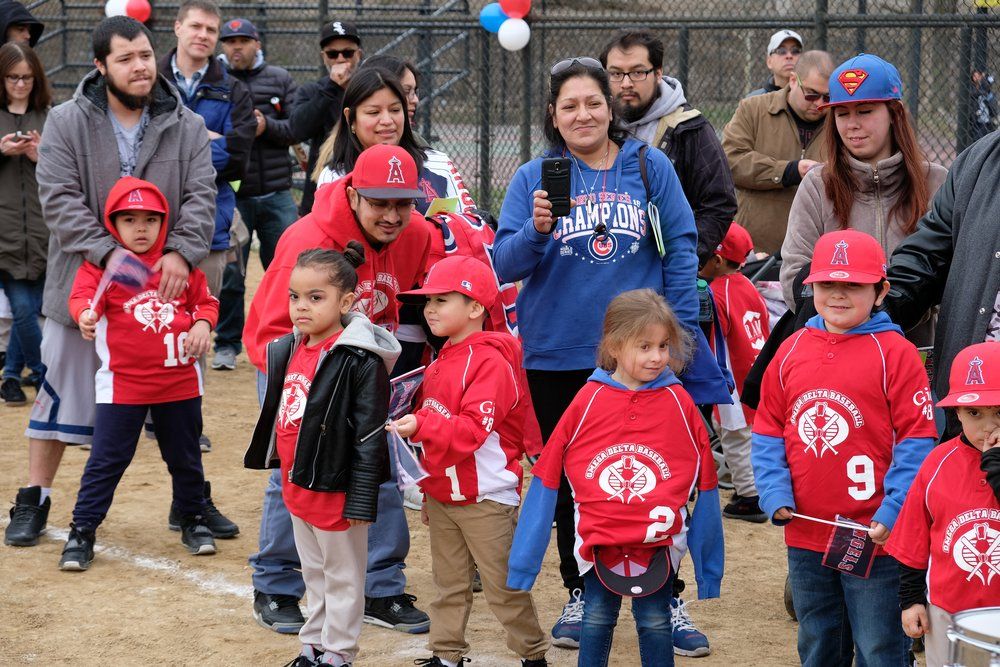
Young people make up a substantial portion of McKinley Park’s population. Currently the neighborhood’s youth has access to a variety of recreational opportunities, like the the Omega Delta Youth Baseball and Softball League. Outdoor activities are a great way to engage the neighborhood’s young people during warmer months; however, year-round activities should be strengthened. The neighborhood’s youth should be engaged in the development of year-round activities, to ensure that any future programs are of interest to the neighborhood’s young residents.
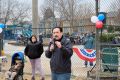
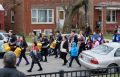
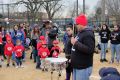
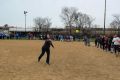
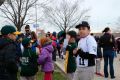
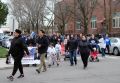
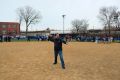
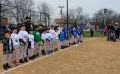
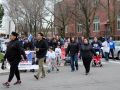
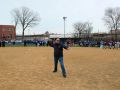
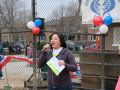
A photo gallery shows the 2018 opening day for Omega Delta Baseball as published in the McKinley Park News.










Utilize public spaces for community-building activities
McKinley Park’s public spaces have the potential to bring residents together to engage in community-building activities. For example, the neighborhood’s namesake park could become a venue for annual arts and culture events that celebrate the diversity and unique character of the neighborhood. Smaller parks throughout the neighborhood should also be activated with community-building activities, such as painting of community murals, as well as events like movies in the park and park clean up days.
Historically, industrial uses along this stretch of the Chicago River have contributed to its environmental degradation. Currently, combined sewer overflows are the main source of pollution of Bubbly Creek. Work is underway to remediate the river and restore its natural habitat, which is an important component of improving its future recreational opportunities. Initiatives like the Great Rivers Chicago project are attempting to improve the connections between Bubbly Creek and the surrounding neighborhood, and enhance the recreational potential of this stretch of the river. More information about these projects can be found in the McKinley Park Existing Conditions Report. The recommendations in this plan reinforce these already initiated efforts, in order to ensure that the river is an ecologically healthy, well-utilized neighborhood asset.
Prioritize opportunities for open space amenities along the river
Bubbly Creek is an important natural resource for the community; however, its close proximity to industrial areas and lack of open space make it uninviting. In any future development along the river, open space should be prioritized to ensure that the residents have access to this natural amenity. Setback requirements outlined by the Chicago River Design Guidelines should be applied in any future development process, to create amenities like open space, public river walk trails, green infrastructure projects, as well as landscape buffers between the river and nearby industrial areas.
Figure 7.1 Rendering of Bubbly Creek Design Guidelines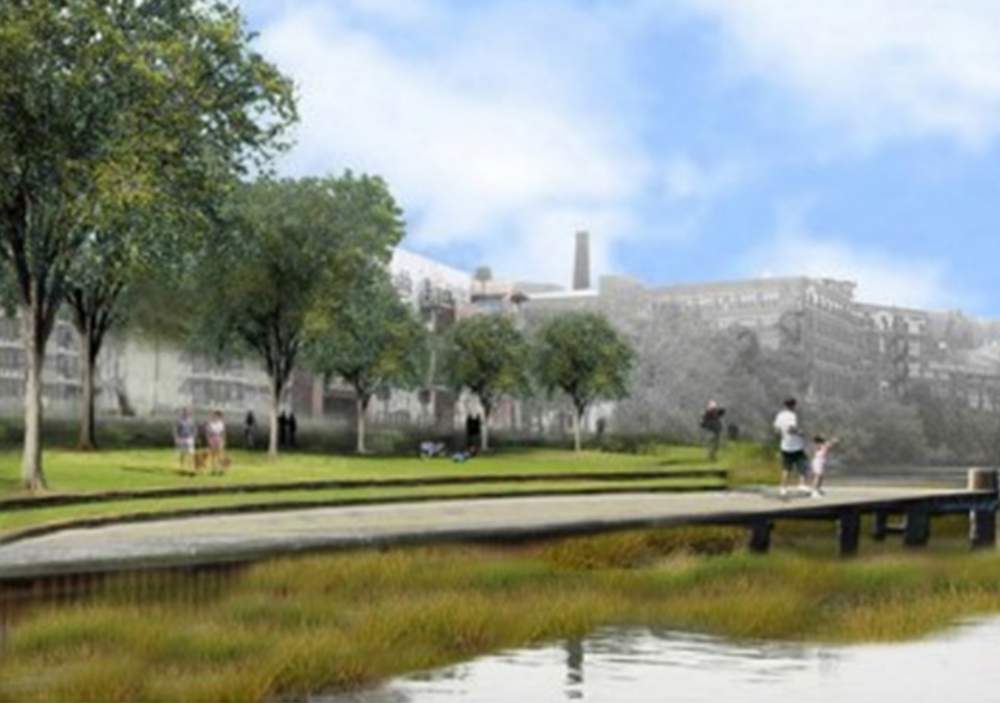
Source: Chicago River Design Guidelines, 2019
Ensure new development or property improvements that are within 100 feet of Chicago waterfront are consistent with the 2019 Chicago River Design Guidelines
Currently, Bubbly Creek is an underutilized asset that has the potential to improve the quality of life for McKinley Park residents. Any new development or property improvements along Bubbly Creek should be consistent with the 2019 Chicago River Design Guidelines, which guide waterfront development along the Chicago River. The design guidelines create a more unified aesthetic, enhance the natural environment and provide public access to the waterway, while balancing the importance of existing industrial uses along the river. Bubbly Creek has specific design guidelines that aim to mitigate the degraded conditions of the waterway. A wider set back of 60 feet is required for all new developments, to provide protection from sedimentation and erosion, as well as improve the river’s water quality. This offers an opportunity to use stormwater management best practices, create a public riverwalk trail, and use landscape buffering that can provide a barrier between industrial uses and the river.
Enhance connections between the river and the neighborhood
Better connectivity between the river and the neighborhood should be promoted for all modes of transportation, by creating amenities like river walk trails and connecting them to the street and sidewalk network, open space, and key neighborhood destinations. Crossing improvements for bicyclists and pedestrians at key intersections should include lighting for visibility, signalization, and signage. Improvements such as wayfinding signs should direct riverfront users to local destinations.
Encourage pride and stewardship of the river through education
A program should be developed to educate residents and property owners near the river about the benefits of native vegetation and restoration of riverbanks, and its impact on improved water quality and stormwater management. MPDC can encourage McKinley Park residents to become stewards of the river by coordinating with organizations like Friends of the Chicago River on implementing river education programs and organizing community-wide river stewardship days.
Other strategies
- Support Bubbly Creek restoration efforts
- Implement recommendations from the Our Great Rivers vision
McKinley Park is home to many open space amenities; however, opportunities exist to increase community green spaces throughout the neighborhood. Community greening involves increasing the amount of green coverage, including recreational or passive park space, community gardens, landscaping, tree canopy, and green infrastructure. These efforts can achieve may benefits, including improved health and well-being of residents, and greater climate resilience. The following strategies focus on identifying areas to expand community green spaces and creating access points to existing amenities.
Identify priorities for increased community green space as part of future redevelopment projects
Future redevelopment and any potential eTOD projects can be leveraged to provide amenities like open space or community gathering spaces. MPDC should work with neighborhood stakeholders during the development process to identify opportunities for the creation of community green spaces and ensure that future development projects include these community amenities.
Capitalize on the presence of Western Boulevard and study off-street connections between educational and recreational facilities along the boulevard and other key destinations
Recommendation 7.2 outlines strategies for activating Western Boulevard, and creating better connections between the boulevard and other key destinations.
Other strategies
- Continue to activate vacant lots and open spaces throughout the community by transforming them into community gardens and parks to benefit underserved areas of the community
- Prioritize the conservation of open space along the river
Friends of the Parks (Rec 7.2)
An advocacy organization that works to improve Chicago’s parks system through education, cleaning and greening events, and supporting park advisory councils throughout the city.
https://fotp.org/about/
Friends of the Chicago River (Rec 7.4)
The organization works to improve the health of the Chicago River system for the benefit of people, plants, and animals. Friends works in partnership with municipalities, businesses, community groups, schools, peer organizations, government agencies, and individuals on projects that benefit the river. The organization has outreach and education programs that cultivate awareness and stewardship of the river.
https://www.chicagoriver.org/
Openlands Green Region Program (Rec 7.2)
A partnership between Openlands and ComEd that grants up to $10,000 to support open space projects that focus on planning, acquisition, and improvements to local parks, natural areas, and recreation resources.
https://www.openlands.org/livability/greenregion/
Active Transportation Alliance (Rec 7.3)
A nonprofit advocacy organization that works to improve conditions for bicycling, walking, and transit and engage people in healthy and active ways to get around.
https://activetrans.org/blog/help-create-vision-for-a-safer-archer-avenue
Chicago Community Trust (Rec 7.3)
A community foundation dedicated to improving our region through strategic grant making, civic engagement, and inspiring philanthropy.
https://www.cct.org/










Log In to comment on this item.
Subscribe
Report
My comments