


Livable communities draw their strength and vitality from a unique “sense of place” that attracts people and makes them feel at home and welcome. McKinley Park already has a distinct sense of place deeply rooted in the neighborhood’s diversity. McKinley Park can raise its profile throughout Chicago and the region by celebrating this diversity through arts and culture planning that is creative, smart, and resourceful. In addition to several government offices, McKinley Park has a number of schools, religious institutions, a library, parks and recreational facilities, and other cultural organizations that demonstrate the depth of the neighborhood’s passion. This passion can be leveraged to promote the diversity and character of the community.
Develop an alliance for arts and culture stakeholders to leverage resources through coordination and collaboration
A new Arts and Culture Alliance can coordinate the variety of arts and culture activities and initiatives taking place in the community, and work in partnership to help McKinley Park reach its potential, and expand its future capacity. Similar to the proposed MPDC housing coalition, this new alliance could more efficiently identify opportunities and prioritize focus areas for the arts community. Through coordination and collaboration, the new alliance would better leverage resources, reveal unnecessary redundancies, and identify gaps to be filled by appropriate members of the group.
The Arts and Culture Alliance can give a stronger voice to grassroots efforts by including the participation of local artists, gallery owners (including The Bridgeport Art and Zhou B Art Centers), museum administrators (Chicago Maritime Museum), and representatives from school art departments, the public library, and other private and public entities. This alliance would create a single information point for arts and culture initiatives.
CMAP has created a toolkit that helps communities assess their options and choose the arts and culture policies that are right for Arts and Culture Alliance. The toolkit is detailed enough that the members of the new Arts and Culture Alliance could use it to guide their arts and culture initiatives, step-by-step, with little or no additional assistance.
Arts and Culture Toolkit
CMAP’s Arts and Culture Planning: A Toolkit for Communities offers a primer on the different mediums of arts and culture, including visual arts, theater arts, music arts, culinary arts, applied arts (such as industrial design and graphic design), fashion design, and media arts (such as film and animation). The toolkit can help participants think through the complexity and richness of the local arts and culture community. The toolkit details the primary functional and spatial needs that each medium of arts and culture needs to be successful.
The toolkit explains how adaptive reuse can take advantage of existing physical resources to create productive spaces, as well as how temporary uses provide a unique opportunity to further expand opportunities. The toolkit details typical regulatory considerations that are key to the implementation of these and similar strategies. It provides model regulatory language that could be used to define allowed arts and culture activities within a zoning district, standards for uses to mitigate impacts, provisions to allow and encourage the adaptive reuse of existing institutional structures, as well as guidance as to how to construct an arts district.

Case Study: Chicago for Chicagoans’ McKinley Park Tour
On April 28 and June 1, 2019, Chicago for Chicagoans offered a 2.5-hour walking tour through McKinley Park, taking participants to discover the rich history, landmarks, and towering structures of a neighborhood that’s long been responsible for much of Chicago’s bricks, iron, meat, furniture, and Goodyear tires, while also housing an ever-changing, diverse immigrant population. The tour began at the 35th/Archer Orange Line station and ended at the Huck Finn restaurant.
Chicago for Chicagoans offers “pay-what-you-can” tour services and is a certified 501(c)(3) nonprofit that creates inclusive walking tours by and for Chicago residents, designed to represent the histories of all Chicagoans.
Strengthen the neighborhood’s sense of heritage and identity by pursuing targeted arts and cultural endeavors
While the process to develop an arts and culture alliance and a comprehensive arts and culture plan with identified priorities will take some time, there are small steps that can be taken to continue the momentum of arts initiatives in the neighborhood. These are mostly efforts that will help to bring positive attention to the neighborhood and sustain ongoing efforts.
- Boost visitor attractions to strengthen McKinley Park’s sense of heritage and identity
McKinley Park already offers a number of events that attract residents and visitors from surrounding neighborhoods. Events like the Farmers Market Concert Series, Ice Skating at McKinley Park, Arts and Crafts Indoor Market at Kristoffer’s Cakes, Jazz on Marz with the Jazzeros, and Chicago River Day on Bubbly Creek are just a few of many events. Other ideas to help boost visitors are walking and biking tours, architectural and photography tours, and tours that make use of educational boards and historic photos can be used to promote the extensive natural and historical resources in the neighborhood. Efforts to boost visitors could start right away with an educated citizenry willing to dedicate time by hosting a photography meetup group. A more official connection to the architectural history could result from a partnership with the Chicago Architecture Foundation or other local tour groups. - Create a comprehensive inventory of space available for cultural uses
An inventory of cultural spaces, such as sites for public display of art, venues for concerts and plays, gallery spaces, outdoor venues, and streets that are preferred for street festivals could be developed. Bridges and exterior walls of public buildings are examples of spaces that could be appropriate for rotating exhibitions or accommodate permanent installations. The inventory should also be used in the process to improve neighborhood gateways and transportation hubs, as an opportunity to integrate local cultural assets into the design of the improvements. See Figure 5.5 for suggested gateway and signage locations. - Add public art installations at strategic locations
McKinley Park already has a number of beautiful public art installations (see Figure 3.1). More efforts to engage the public as they walk through the neighborhood will improve the overall experience, as will more public art and tours, which would also increase foot traffic at those sites. Creating a community identity through public art is an effective way to show support for the arts community and prioritize the community’s emphasis on arts and culture. The Arts and Culture Alliance can begin to identify locations throughout the neighborhood that would be appropriate for display of public art. The alliance can also identify funding sources and/or developer donations, grants, and private donations as well as potential contributions in order to add more public art to the neighborhood.
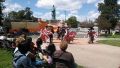
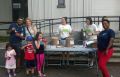
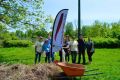
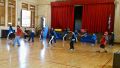
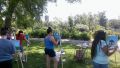
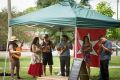
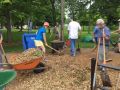
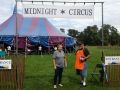
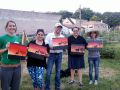
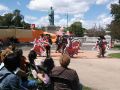
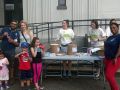
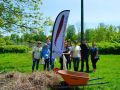
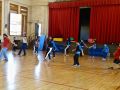
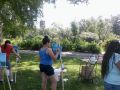
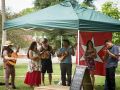
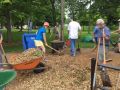
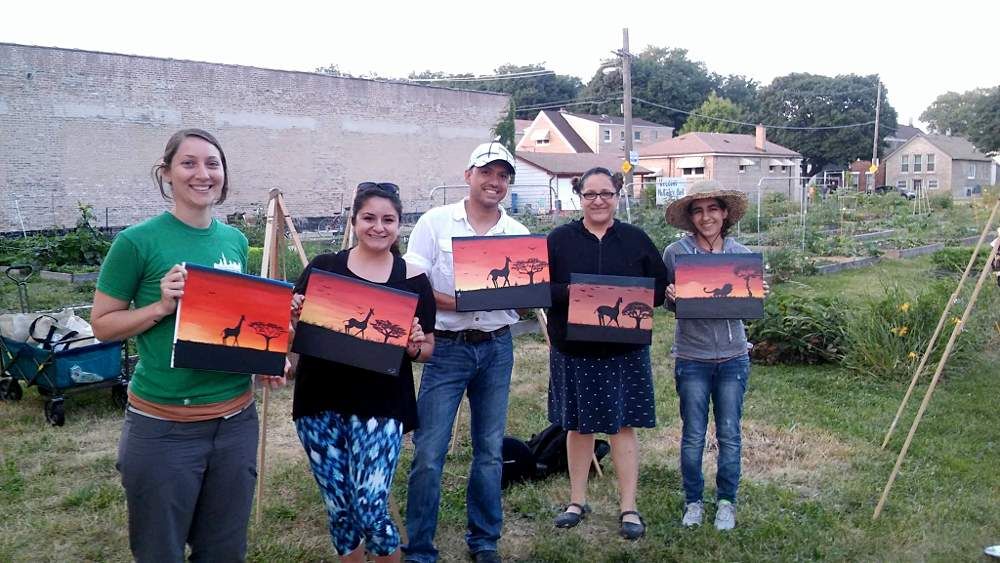
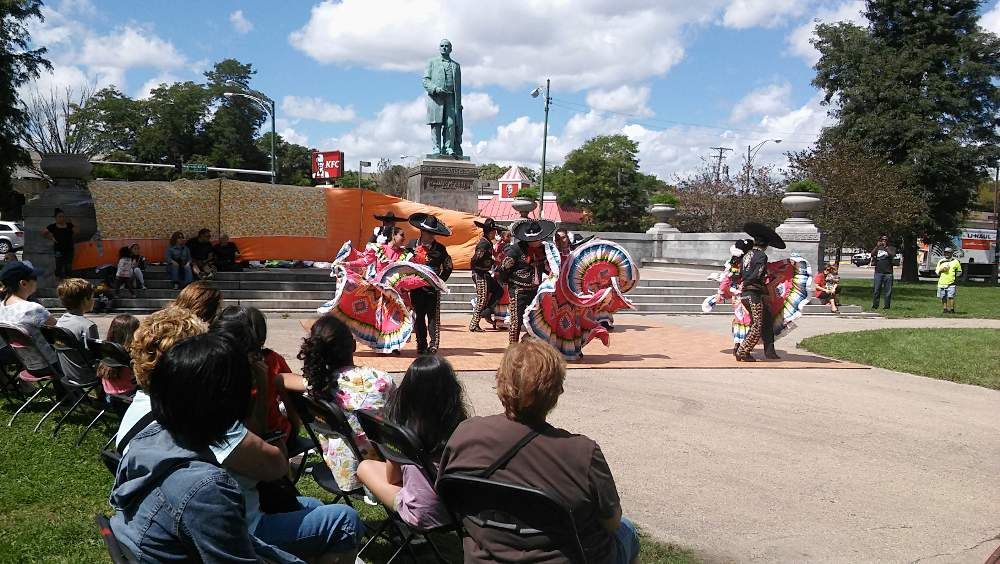
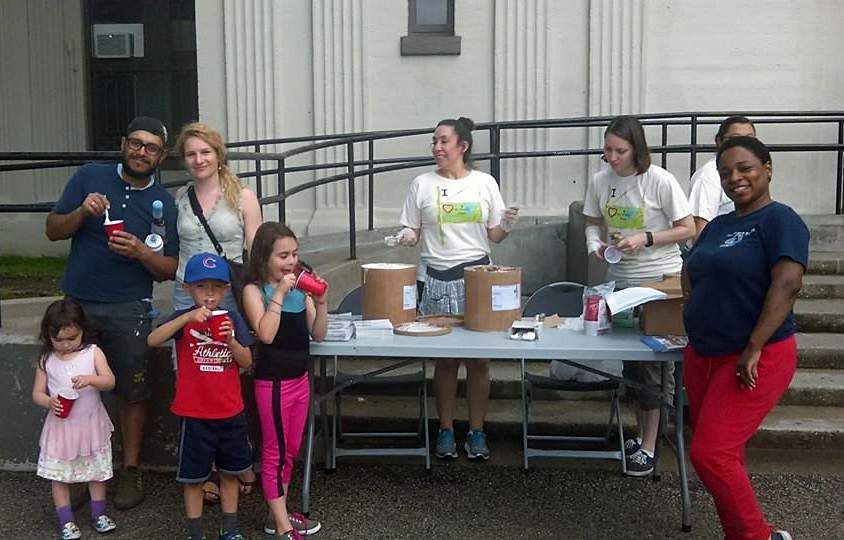
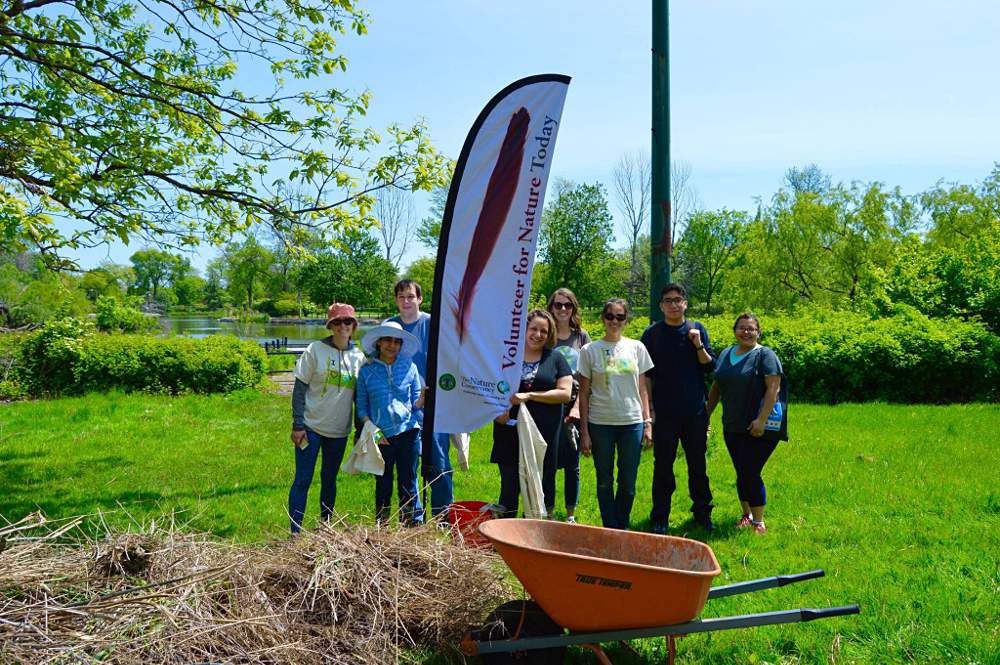
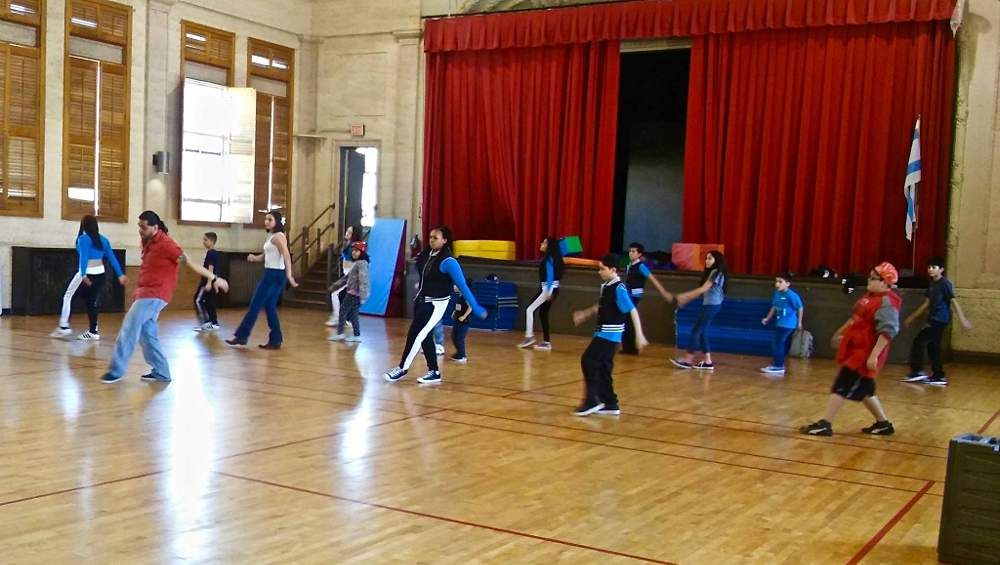
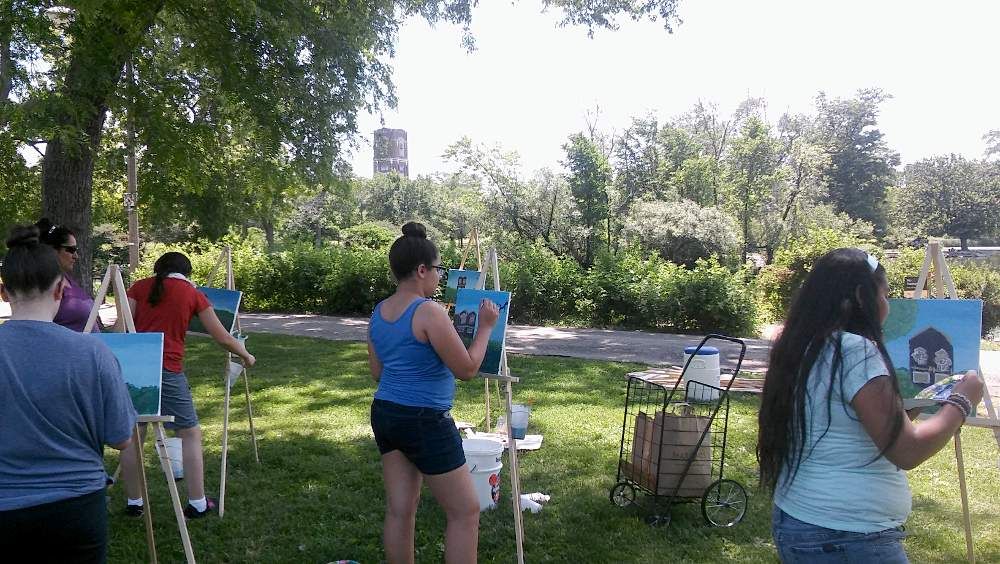
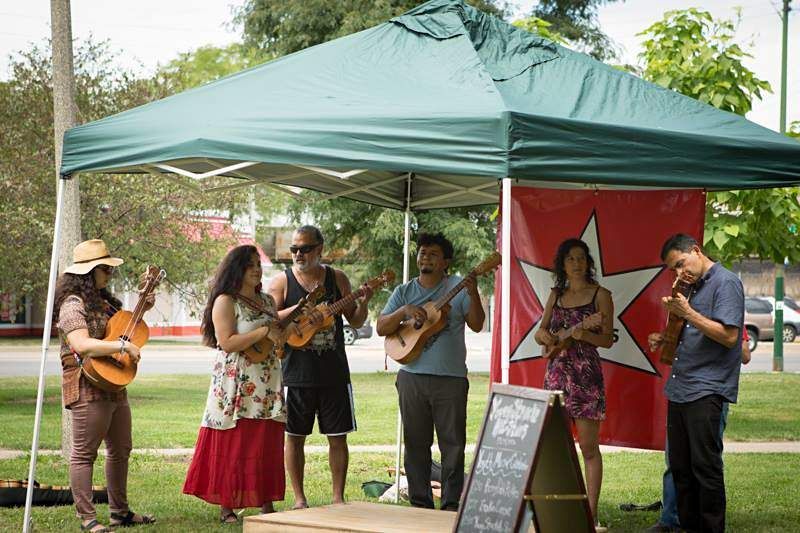
One of the earliest photo galleries published in the McKinley Park News shares park photos from 2016:
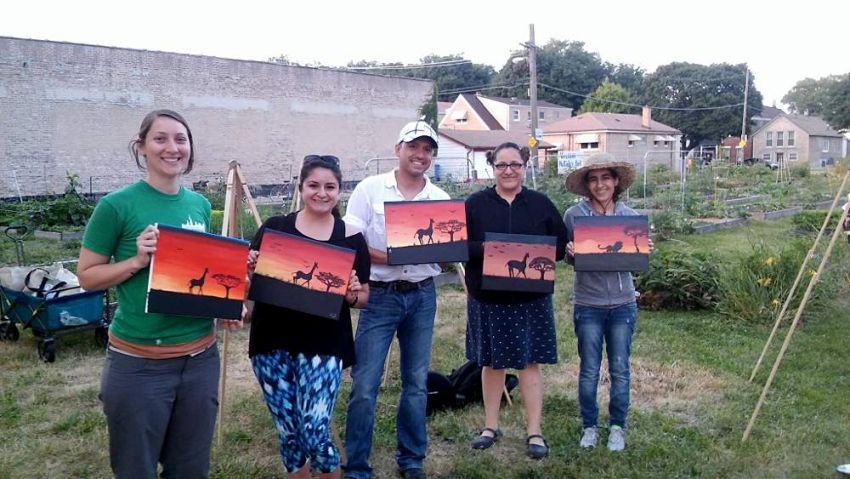
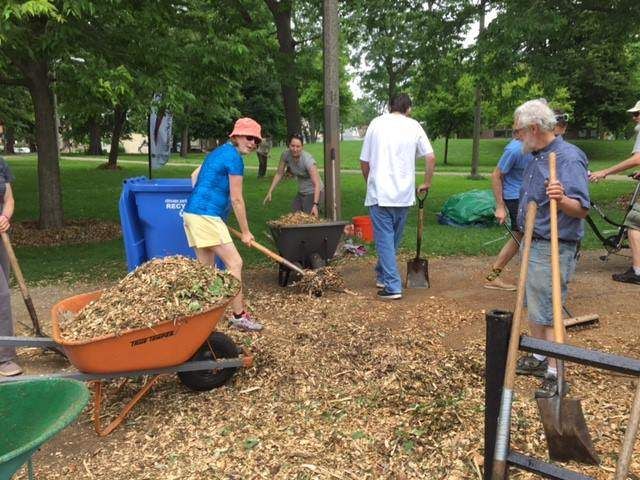
The McKinley Park Advisory Council (MPAC) conducted numerous activities at the park in 2016.
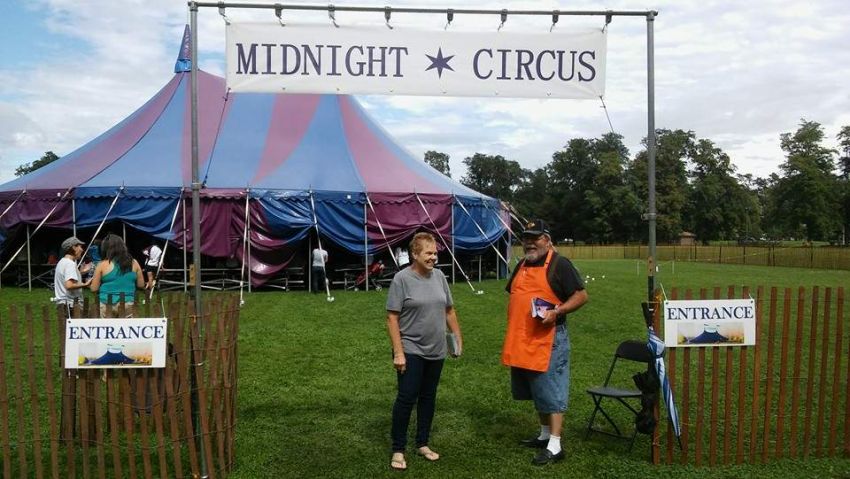


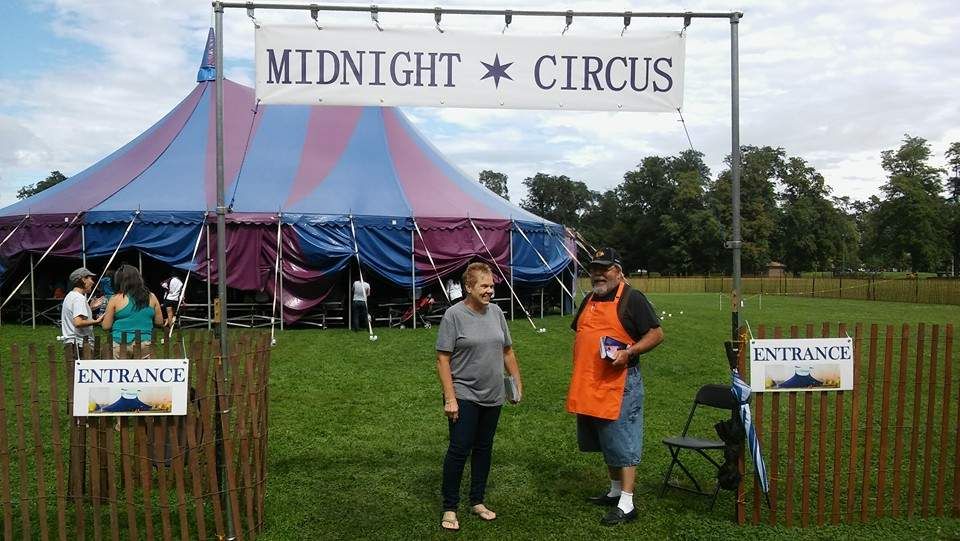
McKinley Park Advisory Council volunteers help staff the Midnight Circus, presented the weekend of Sept. 10-11, 2016, at McKinley Park.










Log In to comment on this item.
Subscribe
Report
My comments