


THE VISION
McKinley Park will be celebrated as a community that supports local businesses and welcomes culturally, ethnically, and linguistically diverse residents. We will elevate our diversity by preserving a wide range of housing options, promoting homeownership, empowering homeowners, and providing affordable apartments.
Introduction
Cultural diversity is an important part of McKinley Park’s identity. Diversity, here, refers to residents’ racial background, ethnic, and socioeconomic backgrounds and is an asset that helps distinguish McKinley Park from other Chicago neighborhoods. The wide variety of housing options in the neighborhood helps make local diversity possible. However, given the trend of gentrification that other neighborhoods similar to McKinley Park have experienced, a wide range of housing options must not only be preserved but also expanded in order to maintain the neighborhood’s diversity and economic stability in the long term. The contributions of residents, businesses, and organizations in McKinley Park make the community stronger. Recommendations to preserve neighborhood diversity revolve around building and sustaining community, bolstering local business, and cultivating and celebrating neighborhood identity.
- Residents and stakeholders identify housing affordability as one, if not the main, attribute associated with them moving to McKinley Park. Maintaining diversity by preserving affordable housing choices is essential to the neighborhood plan. About 62 percent of housing units in the study area are in multifamily buildings, and 87 percent are renter-occupied. 70 percent of rental units in McKinley Park are affordable to those earning less than 60 percent of Area Median Income (AMI), but only 10 percent of those units are legally restricted. Almost all of the affordable units in McKinley Park are naturally occurring affordable housing (NOAH). The diversity of housing options has been a source of stability, allowing residents who may initially rent smaller units to move up to larger units, and eventually to homeownership.
- While housing costs have increased since the 2008 recession, McKinley Park prices remain low compared to other neighborhoods in Chicago. Preserving and creating opportunities for affordable housing will help protect existing residents against market pressures that could burden or displace them. Households spending more than half their income on housing are considered severely cost-burdened. Based on data specific to the McKinley Park community area in the period between 2012 and 2016, 38 percent of owner households and 53 percent of renters were burdened by housing costs. This impacts their ability to spend money and support local businesses, as well as access necessities like health care.
- McKinley Park has long been a port of entry for many immigrants. Today, McKinley Park’s population remains steady, increasing 2.9 percent from 2010 to 2016 (greater than Chicago’s 0.7 percent or the region’s 0.8 percent). This growth is largely attributed to the continued growth in the Asian population (16 percent). On the contrary, the Black, Latino, and White populations have decreased by 40 percent, 3 percent, and 3 percent respectively during this same period. Stakeholders consider the community’s diversity to be one of its greatest assets to preserve and celebrate. The plan explores ways to market the neighborhood’s diversity to preserve and attract new residents, visitors, customers, and investment.
Although the housing market is strengthening, it is not too late for the community, aldermen, and partners to implement affordability strategies before market forces drive land and home values higher. Community advocates can find opportunities to take advantage of market forces to leverage developer interest and drive the construction of new affordable housing. The following strategies, many of them low-budget and involving strategic partnerships, offer concrete ways to better engage and involve the community in projects and decision-making. Successful implementation of this plan will rely in large part on community engagement. Given the study area’s demographics, several strategies are targeted to specifically engage underrepresented populations in McKinley Park. Recommendations in this chapter also focus on building off existing efforts and resources to strengthen and support existing and new local businesses.
McKinley Park’s variety of housing types allows for people of different socioeconomic and racial/ethnic backgrounds to live in the neighborhood, thereby contributing to McKinley Park’s identity. While housing costs have increased since the 2008 recession, McKinley Park prices remain low compared to other neighborhoods in Chicago. Preserving and creating opportunities for housing affordability, choices, and quality will help attract new residents and protect existing residents against market pressures that could burden or displace them.
Form a neighborhood coalition to coordinate housing advocacy
To tackle a complex challenge like housing affordability, a community needs stakeholders who are energized, committed, and coordinated. McKinley Park has the advantage of having many passionate residents and advocates who are involved in numerous community organizations. MPDC should establish a housing coalition to guide the community’s work on housing affordability, choices, and quality. Communities United has organized stakeholders from a variety of Chicago neighborhoods to work for equity and social justice, including in the housing sector. MPDC should partner with Communities United to form a neighborhood coalition that can organize and coordinate key stakeholders who seek to preserve and expand housing affordability.
This new MPDC housing coalition should include a broad set of stakeholders to address the many issues outlined in this chapter. MPDC should work with Community United and other local housing advocates, such as The Resurrection Project and Greater Southwest Development Corporation, and to identify stakeholders who could be added to the committee to ensure it draws on the expertise and local knowledge required to implement this plan’s recommendations. This coalition will provide a platform that leverages the combined resources, knowledge, and energy of organizations and institutions to implement the recommendations described in this plan. It would also demonstrate the community’s broad, organized support for affordable housing, which can make developers and elected officials more confident in siting new affordable housing developments in the neighborhood.
 From "Single-Family Home Sale Sets New Neighborhood Price Record," published August 9, 2019, in the McKinley Park NewsThe Equitable Transit-Oriented Development chapter of this plan (Chapter 4) also recommends that neighborhood stakeholders form a coalition of community organizations, local businesses, affordability advocates, and public sector stakeholders to advocate for the community’s vision for equitable development. Ideally, the same group — a strategically expanded MPDC housing coalition — could serve both functions. Nonetheless, taking on the formation of this coalition will be a demanding task, and MPDC should seek grants or other assistance to help enhance their capacity to coordinate the project. The Chicago Community Trust, Enterprise Community Partners, mission-driven community financial institutions, and philanthropic foundations with a focus on equity may be able to support this work.
Advocate for the protection and production of on-site affordable units
The City has a number of tools in place to help preserve and produce affordable housing units. One tool is the Affordable Requirements Ordinance (ARO), which requires residential developers that receive financial assistance, city-owned land, or a zoning change to provide a percentage of units at affordable prices. In 2019, the Chicago Department of Housing (DOH) created an Inclusionary Housing Task Force with members of diverse backgrounds to inform how affordable housing is created throughout Chicago. 1 The culmination of the ARO Task Force, focus groups, public meetings, public comment, and the City’s budget and policy priorities is expected to result in a revised ordinance in 2021.
MPDC’s new housing coalition should monitor current and future change in the ARO to advocate for the creation of more on-site affordable housing in new developments. Moreover, the housing coalition should monitor the implementation of the ARO in McKinley Park to assess its impacts. Finally, the housing coalition should maintain regular communication with community stakeholders and work with the alderman to incentivize or require the construction of affordable units on site.
Work with DPD to tailor existing city-wide programs to meet the needs of residents of McKinley Park
During the community engagement process, discussion took place regarding ways in which existing housing programs could assist residents as they purchase, repair, and rehabilitate properties that have deferred maintenance. The following programs often require a period of occupancy and are limited to low- and moderate-income households.
- Owner-Occupied Repair Programs to Assist with Deferred Maintenance
These programs help existing owners remain in their one- to four-unit homes while addressing health and safety repairs, improving energy efficiency, and increasing household affordability. The program can also be used to improve rental units on the property so long as they are rented affordably. This program often requires a period of occupancy and is limited to low- and moderate-income households. - Purchase Assistance Program for Owner-Occupant Homebuyers
This program provides purchase assistance for occupant homebuyers purchasing a one-to-four unit home. Funds can be used to assist with the acquisition of the property. This program often requires a period of occupancy and is limited to low- and moderate-income households. - Purchase Rehab Assistance Programs for Owner-Occupant Homebuyers
Homes with extensive deferred maintenance, or those in need of repair, often require a “purchase rehab loan” to acquire the property. This federal program provides rehab assistance for occupant homebuyers purchasing a one- to four-unit home in need of extensive renovation. This program often requires a period of occupancy and is limited to low- and moderate- income households. - Chicago Community Land Trust for Buyers
Chicago Community Land Trust (CCLT) was founded in 2006 to address the increasingly limited supply of funding for affordable housing. The goal of the CCLT is to preserve long-term affordability of homes, created through City programs, and maintain a permanent pool of homeownership opportunities for working families. The CCLT maintains a resale pool of homeownership opportunities for working families. Properties purchased through the trust often require a period of 30-year occupancy and are limited to low- and moderate-income households.
The most current list of housing programs can be found online at www.cityofchicago.org/DPD.
Other strategies:
- Increase MPDC’s capacity to engage the community, support and market small businesses, and lead the community to better respond to development proposals. See Chapter 4 for ideas on how to accomplish this strategy.
- Work with key partners like the City of Chicago and the Illinois Housing Development Authority (IHDA) to identify opportunities to implement inclusive and supportive housing initiatives.
- Pursue a targeted historic resource inventory to explore increasing the number of properties protected by historic preservation rules.2
Livable communities draw their strength and vitality from a unique “sense of place” that attracts people and makes them feel at home and welcome. McKinley Park already has a distinct sense of place deeply rooted in the neighborhood’s diversity. McKinley Park can raise its profile throughout Chicago and the region by celebrating this diversity through arts and culture planning that is creative, smart, and resourceful. In addition to several government offices, McKinley Park has a number of schools, religious institutions, a library, parks and recreational facilities, and other cultural organizations that demonstrate the depth of the neighborhood’s passion. This passion can be leveraged to promote the diversity and character of the community.
Develop an alliance for arts and culture stakeholders to leverage resources through coordination and collaboration
A new Arts and Culture Alliance can coordinate the variety of arts and culture activities and initiatives taking place in the community, and work in partnership to help McKinley Park reach its potential, and expand its future capacity. Similar to the proposed MPDC housing coalition, this new alliance could more efficiently identify opportunities and prioritize focus areas for the arts community. Through coordination and collaboration, the new alliance would better leverage resources, reveal unnecessary redundancies, and identify gaps to be filled by appropriate members of the group.
The Arts and Culture Alliance can give a stronger voice to grassroots efforts by including the participation of local artists, gallery owners (including The Bridgeport Art and Zhou B Art Centers), museum administrators (Chicago Maritime Museum), and representatives from school art departments, the public library, and other private and public entities. This alliance would create a single information point for arts and culture initiatives.
CMAP has created a toolkit that helps communities assess their options and choose the arts and culture policies that are right for Arts and Culture Alliance. The toolkit is detailed enough that the members of the new Arts and Culture Alliance could use it to guide their arts and culture initiatives, step-by-step, with little or no additional assistance.
Arts and Culture Toolkit
CMAP’s Arts and Culture Planning: A Toolkit for Communities offers a primer on the different mediums of arts and culture, including visual arts, theater arts, music arts, culinary arts, applied arts (such as industrial design and graphic design), fashion design, and media arts (such as film and animation). The toolkit can help participants think through the complexity and richness of the local arts and culture community. The toolkit details the primary functional and spatial needs that each medium of arts and culture needs to be successful.
The toolkit explains how adaptive reuse can take advantage of existing physical resources to create productive spaces, as well as how temporary uses provide a unique opportunity to further expand opportunities. The toolkit details typical regulatory considerations that are key to the implementation of these and similar strategies. It provides model regulatory language that could be used to define allowed arts and culture activities within a zoning district, standards for uses to mitigate impacts, provisions to allow and encourage the adaptive reuse of existing institutional structures, as well as guidance as to how to construct an arts district.

Case Study: Chicago for Chicagoans’ McKinley Park Tour
On April 28 and June 1, 2019, Chicago for Chicagoans offered a 2.5-hour walking tour through McKinley Park, taking participants to discover the rich history, landmarks, and towering structures of a neighborhood that’s long been responsible for much of Chicago’s bricks, iron, meat, furniture, and Goodyear tires, while also housing an ever-changing, diverse immigrant population. The tour began at the 35th/Archer Orange Line station and ended at the Huck Finn restaurant.
Chicago for Chicagoans offers “pay-what-you-can” tour services and is a certified 501(c)(3) nonprofit that creates inclusive walking tours by and for Chicago residents, designed to represent the histories of all Chicagoans.
Strengthen the neighborhood’s sense of heritage and identity by pursuing targeted arts and cultural endeavors
While the process to develop an arts and culture alliance and a comprehensive arts and culture plan with identified priorities will take some time, there are small steps that can be taken to continue the momentum of arts initiatives in the neighborhood. These are mostly efforts that will help to bring positive attention to the neighborhood and sustain ongoing efforts.
- Boost visitor attractions to strengthen McKinley Park’s sense of heritage and identity
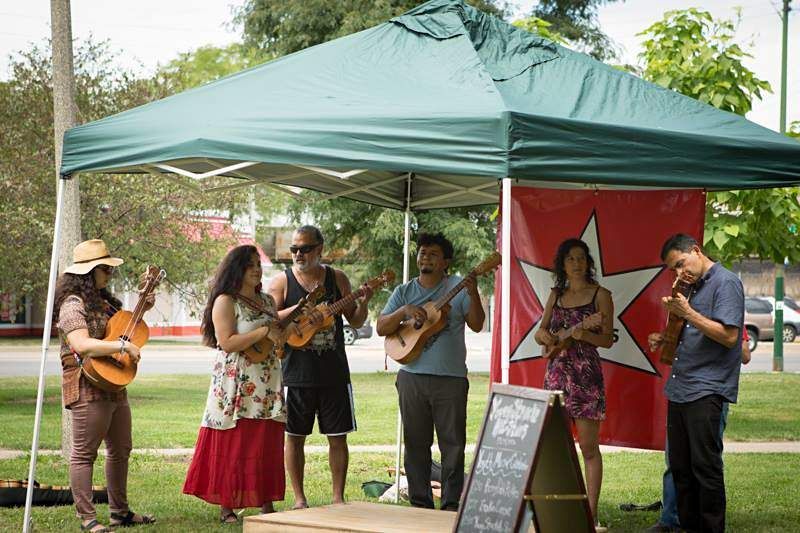
McKinley Park already offers a number of events that attract residents and visitors from surrounding neighborhoods. Events like the Farmers Market Concert Series, Ice Skating at McKinley Park, Arts and Crafts Indoor Market at Kristoffer’s Cakes, Jazz on Marz with the Jazzeros, and Chicago River Day on Bubbly Creek are just a few of many events. Other ideas to help boost visitors are walking and biking tours, architectural and photography tours, and tours that make use of educational boards and historic photos can be used to promote the extensive natural and historical resources in the neighborhood. Efforts to boost visitors could start right away with an educated citizenry willing to dedicate time by hosting a photography meetup group. A more official connection to the architectural history could result from a partnership with the Chicago Architecture Foundation or other local tour groups. - Create a comprehensive inventory of space available for cultural uses
An inventory of cultural spaces, such as sites for public display of art, venues for concerts and plays, gallery spaces, outdoor venues, and streets that are preferred for street festivals could be developed. Bridges and exterior walls of public buildings are examples of spaces that could be appropriate for rotating exhibitions or accommodate permanent installations. The inventory should also be used in the process to improve neighborhood gateways and transportation hubs, as an opportunity to integrate local cultural assets into the design of the improvements. See Figure 5.5 for suggested gateway and signage locations. - Add public art installations at strategic locations
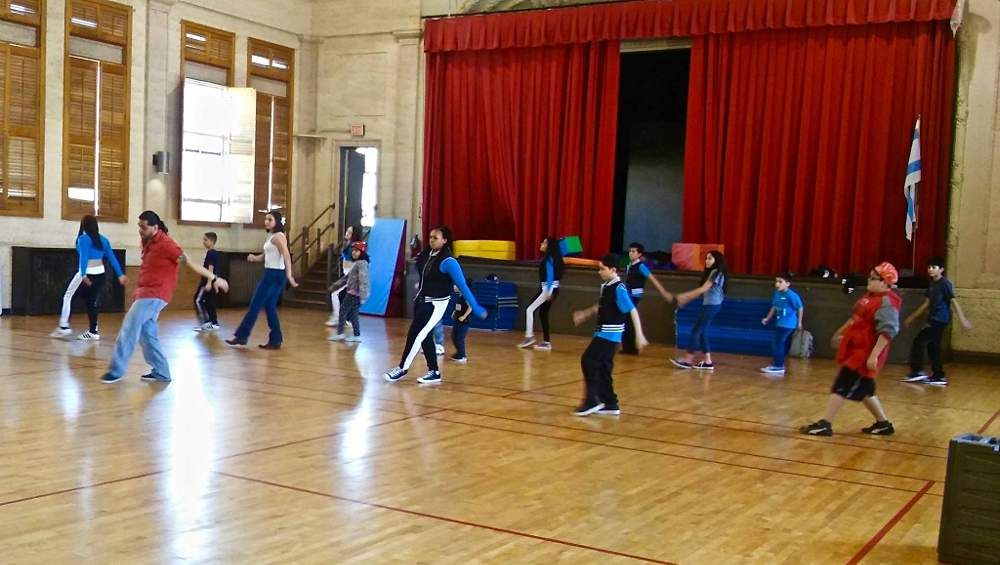
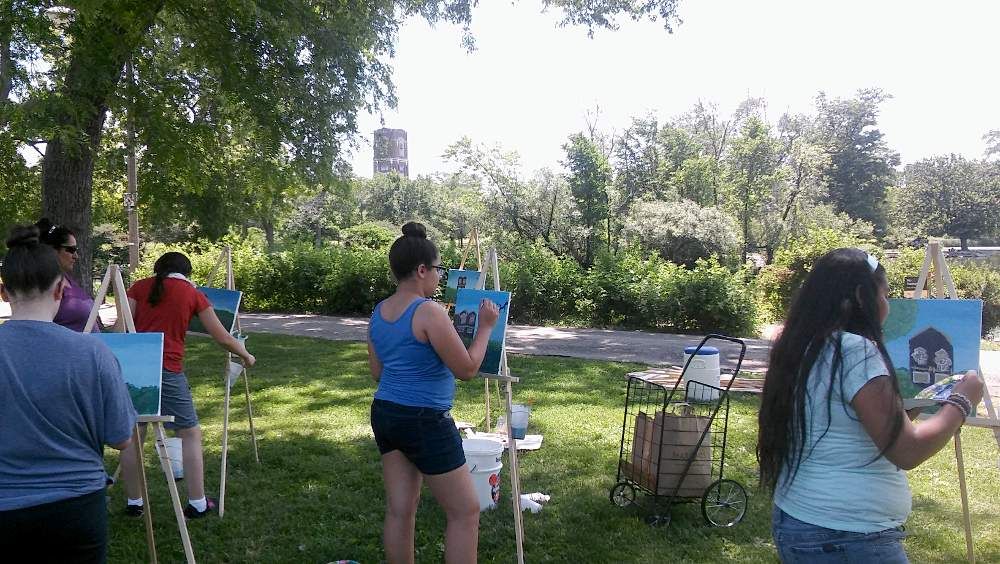
McKinley Park already has a number of beautiful public art installations (see Figure 3.1). More efforts to engage the public as they walk through the neighborhood will improve the overall experience, as will more public art and tours, which would also increase foot traffic at those sites. Creating a community identity through public art is an effective way to show support for the arts community and prioritize the community’s emphasis on arts and culture. The Arts and Culture Alliance can begin to identify locations throughout the neighborhood that would be appropriate for display of public art. The alliance can also identify funding sources and/or developer donations, grants, and private donations as well as potential contributions in order to add more public art to the neighborhood.
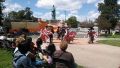
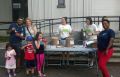
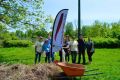
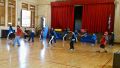
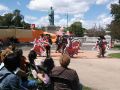
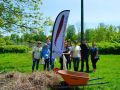
One of the earliest photo galleries published in the McKinley Park News shares park photos from 2016:
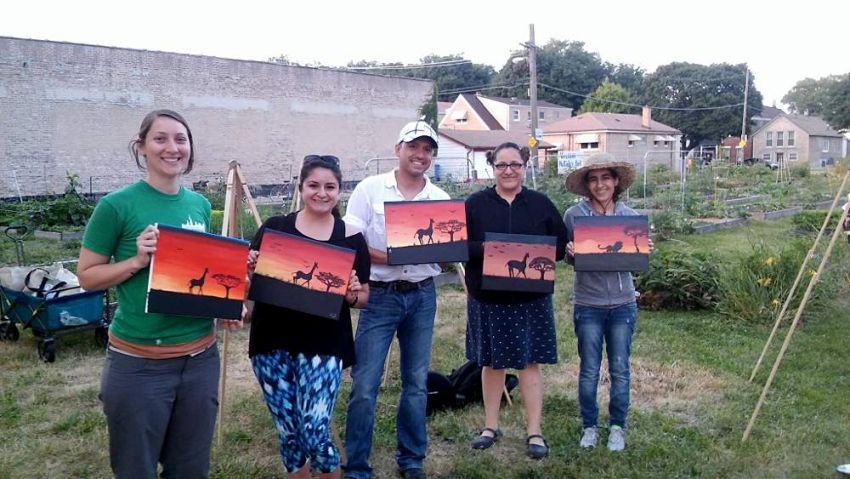
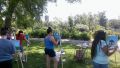
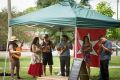
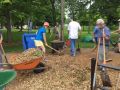
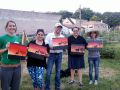
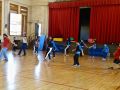
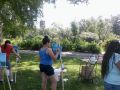
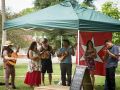
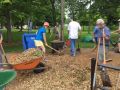
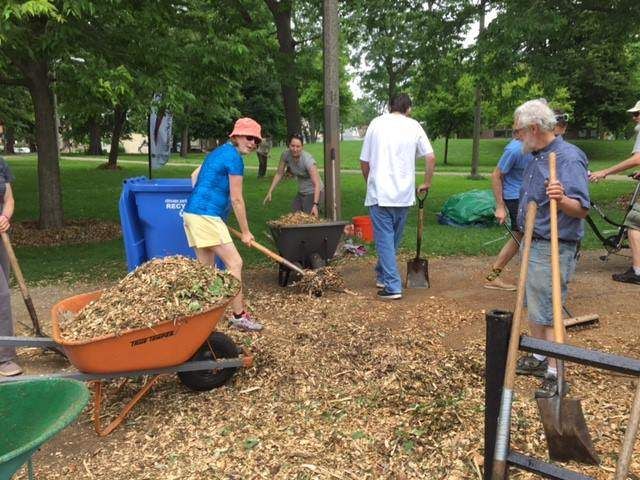
The McKinley Park Advisory Council (MPAC) conducted numerous activities at the park in 2016.
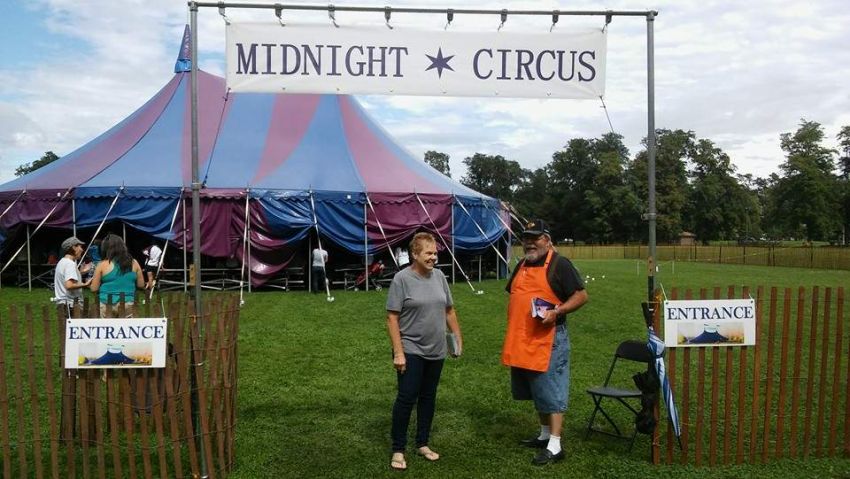


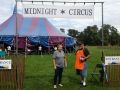
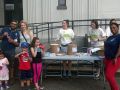
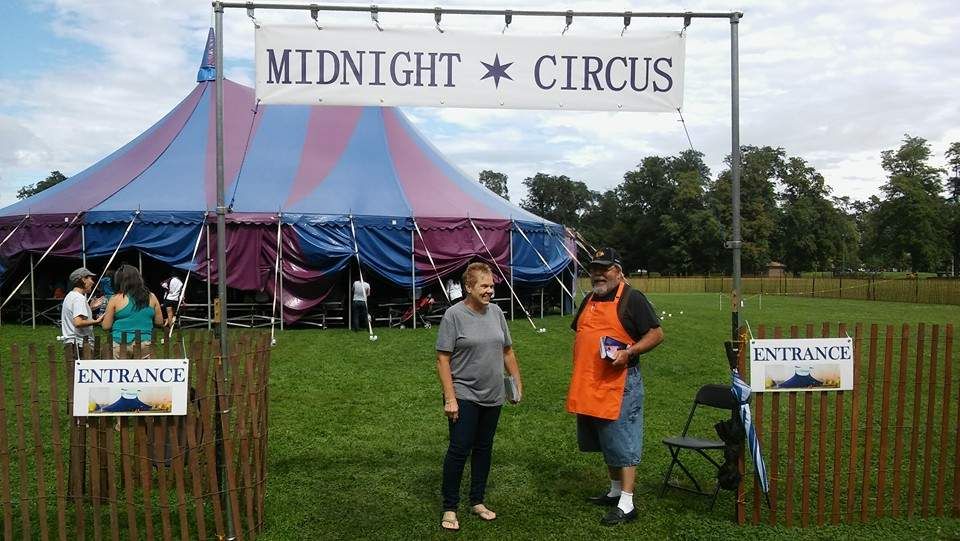
McKinley Park Advisory Council volunteers help staff the Midnight Circus, presented the weekend of Sept. 10-11, 2016, at McKinley Park.
The diversity of McKinley Park’s residents is a major asset to the community. A commitment should be made by MPDC to actively engage all stakeholders and residents in plan implementation activities. The continued growth of McKinley Park’s Asian population will make it essential to target this important demographic in community planning activities for years to come. Best practices and existing resources should be identified to increase community engagement with residents across the entire community. Outreach efforts should include translated materials for existing programs and services.
Work should also build ties with existing institutions, faith-based organizations, community leaders, and other programs that serve these populations. Some ways to engage the neighborhood’s diverse population include:
Youth engagement: Even though 27.5 percent of McKinley Park’s population is youth, community participation by this group was not well represented during the planning process. Engaging youth lends a unique perspective to the implementation of the neighborhood plan. Numerous recommendations in the plan will be more successful if they involve the school-aged population, including forming part of a beautification committee to coordinate community-driven enhancements (Goal: Revitalize Commercial Corridors), and promoting active transportation and healthy living through programs and activities (Goal: Enhance and Expand Parks and Recreational Opportunities). Engaging with local schools (including public and parochial), the McKinley Park Public Library, and the Park District can strengthen the impact and outcome of the plan’s recommendations by directly engaging with youth and their parents.
Immigrant integration: As further indication of the diversity within McKinley Park, nearly 36 percent of its population is foreign born. Throughout the planning process it was difficult to fully engage McKinley Park’s growing Asian population, despite a sincere interest in engaging them. Difficulties ranging from language barriers to different cultural expectations about the role of civic organizations can complicate efforts to connect. Steps should be taken to ensure that foreign-born residents and stakeholders are provided with the same opportunities to engage in community planning activities as other resident groups. The Metropolitan Mayors Caucus (MMC) and CMAP have developed an Immigrant Integration Toolkit that presents a variety of techniques that municipalities have successfully implemented to address integration and to create a culture of inclusion. The toolkit addresses common challenges associated with engaging immigrant populations, such as marginal participation in community meetings, lack of representation on local boards, mistrust of government, and language issues. This toolkit should be utilized to identify relevant case studies that can be implemented successfully.
Immigrant Integration Toolkit
 Facilitating greater integration of foreign-born residents into the community is an important part of embracing diversity. McKinley Park should continue to celebrate and encourage diversity, including the cultural history of different ethnicities.
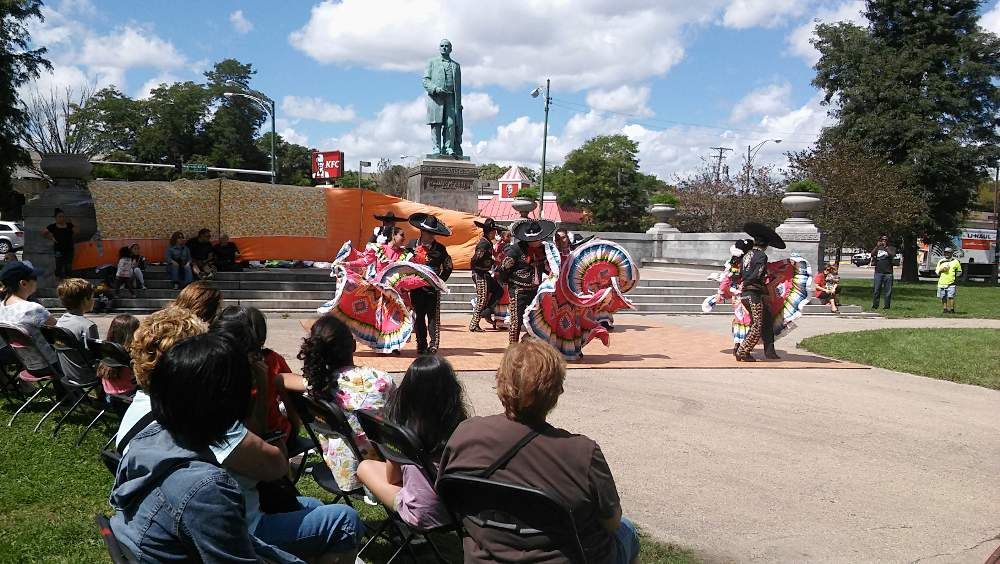
Embracing diversity could occur in several way. CMAP’s Immigrant Integration Toolkit is one of many resources that the community can use to consider appropriate ways to make existing and new residents, especially those from minority and immigrant backgrounds, feel welcome and celebrated. McKinley Park hosts several annual celebrations and events that have become staples of the community, such as the McKinley Park Farmers Market. The community should continue to work with the park’s advisory groups and partner with the public library and the schools to consider the addition of events and programs to celebrate diversity and promote respect and understanding of all cultures in the community.
The toolkit is available for download at https://www.cmap.illinois.gov/programs/local-ordinances-toolkits/immigrant-integration
Make public engagement accessible
A critical component to making public engagement accessible is to make public meetings and materials appropriate for participants. Input should be solicited from leaders and organizations in determining the best models of engagement. MPDC could help mediate this process by serving as a sounding board to assist, guide, and offer input on existing issues and opportunities based on their knowledge, and reviewing outreach strategies and meeting materials. Public meetings for future developments should be broadcast on Facebook Live when possible to provide increased transparency and awareness of new development projects.
Outreach strategies may need to vary depending on which community group engagement is sought. For example, phone calls may be more effective than emails. Radio stations, newspapers, and media outlets that target the specific groups should be utilized.
In addition to the standard practices for engagement, such as choosing meeting sites that are welcoming, safe, and accessible, and selecting dates and times for meetings when more people can participate, the following practices should also be considered:
- Outreach: Ensure that outreach and other meeting materials are available in multiple languages. Mention if there will be translation services available at an event. Social media, such as Twitter or Facebook, is a good way of connecting with people.
- Incentives: Provide small incentives as a way to increase participation. Examples include providing food and childcare, holding raffles for donated items, and recognizing participants. One idea is to ask local restaurants and businesses to donate gift cards to reward participants for their time. This will help encourage public participation while marketing local business.
- Agenda: Create an agenda that reflects the community’s priorities, including those of the Asian and Latino population. Ensure that there is a common understanding about the goals and processes of the meeting.
Improve language access
 From "Aquinas Grows Volunteers Brigade with Latest Batch of Trained Tutors," published November 26, 2019, in the McKinley Park News.Improving language access is a critical aspect of integrating McKinley Park’s foreign-born population, and is important from a public safety, civic life, and economic perspective. The following activities are designed to assist immigrants’ ability to access information in a language they understand and the neighborhood’s ability to communicate effectively with residents who speak limited or no English.
Utilize community interpreters and establish a volunteer language bank. Community volunteers are an important and often untapped resource. Local bilingual residents should be invited to serve as volunteers offering language and cultural guidance or informal translation or interpreting services. A good way to connect with potential volunteers is to partner with local faith-based organizations, community-based organizations, and college and university student groups. A partnership should be created with Aquinas Literacy Center to start a dual language community program and offer a certification, including language proficiency assessment and basic training, in order to help ensure and improve the quality of volunteer services. Engaging young people is a great way to get entire families involved in the community. When recruiting interns and volunteers, communities should take advantage of younger residents’ cultural diversity and language abilities.
McKinley Park’s economy is largely made up of a network of small and locally owned businesses. While this contributes to the neighborhood’s diverse and unique commercial offerings, it can also make it difficult to coordinate and organize the business community. Throughout the planning process, community stakeholders emphasized their desire to maintain the diversity of the neighborhood’s businesses. Embarking on joint promotional campaigns and better equipping local businesses to work together will help McKinley Park better capitalize upon and attract business from residents and visitors.
Rather than relying upon each business to conduct individual marketing, the community should develop more community-wide promotional events and campaigns that highlight the diversity of restaurants and stores in McKinley Park. One strategy is to work closely with Choose Chicago, whose mission is to promote Chicago businesses to visitors, including developing collective web and print promotional materials that can greatly increase the advertising reach of McKinley Park establishments. Supplying Choose Chicago with a current directory and map of McKinley Park businesses — as well as basic text and other materials that provide cultural, commercial, and historical information about McKinley Park — will help Choose Chicago promote or cross-promote McKinley Park to potential visitors in other venues on behalf of the community.
A coordinated marketing campaign focused on the diversity of McKinley Park can help draw visitors, customers, and potential residents. A good starting point would be to make sure MPDC’s website and Facebook page reflect the diverse businesses and services of the neighborhood. In addition to continuing to promote community-wide events and programs, MPDC should use online guides and social media to create clear connections between festivals in the community and local businesses. Posting more physical signage or web-based directories about the many retail and dining options in McKinley Park can help direct visitors to more places when they arrive in the community. Putting up a comprehensive directory and map of businesses in areas like 35th and Archer, the Ashland commercial plaza, the CMD, or along the Archer corridor will help orient visitors when they arrive in commercial nodes and provide suggestions of places that they should visit.
A QR code feature could provide further information, such as recommended dishes and other guidance for visitors unfamiliar with the community. MPDC may explore the possibility of developing a mobile and web app that can provide directory information and dish recommendations. The “Go Lakeview” app from the Lakeview and Lakeview East Chambers of Commerce may provide a good model that could be adapted by MPDC.
Partner with a marketing program at a local university to develop a marketing campaign
As part of a larger marketing initiative, a good practice would be for business development groups (such as MPDC and 36Squared Incubator) to organize local business owners to design an innovative marketing campaign that highlights events and the diversity of restaurants and stores in the community. A partnership with a marketing strategy firm or marketing program at a local university would be one effective approach to developing a campaign. Potential partners include Illinois Institute of Technology’s Stuart School of Business, University of Illinois at Chicago’s College of Business Administration, or Arturo Velasquez Westside Technical Institute’s Business and Professional Services program. Giving existing local businesses a central role in developing the campaign can help ensure that the strategy supports the longtime business owners who have invested in the neighborhood and its residents for decades, rather than just attracting new investors from elsewhere.
The marketing campaign should initially highlight the businesses that distinguish McKinley Park from other neighborhoods. For example, popular restaurants, bakeries, and grocery stores that offer products that are hard to find elsewhere. It could be helpful to create a practical guide to the different cuisines currently available in the community, making it easy for the uninitiated to try an establishment — and perhaps a cuisine — they have never tried before. This practical guide can be made available at local businesses along the community’s commercial corridors, as well as online.
Case Study: Winter Walk on Wilson
 Winter Walk on Wilson is a self-guided tour designed to bring residents and visitors to Uptown for a night of family-oriented activities. The free event features sweet treats, warm drinks, and menu samples offered by local Uptown businesses and organizations as well as live holiday music along the Wilson and Broadway commercial corridors. Participants include churches, barbershops, and restaurants among other local shops. This annual event is hosted by Business Partners, The Chamber for Uptown, and is a great way for residents to meet their neighbors while also supporting local businesses and organizations. These open door events offer an opportunity for people to walk in to a business that they would otherwise not.
For more information, visit exploreuptown.org/winter-walk/
Organize community events designed to bolster visitors
Recognizing that events often require significant financial or staff support, the community should continue to employ strategies to help reduce barriers to event organizing. Some activities only require coordinated business promotion and advertisement rather than any active oversight or management. The typical preparations, labor, and costs associated with major events can be avoided by using decentralized event formats, for example, having a variety of stores and restaurants host informal musical performances throughout the day. Working closely with local businesses, as well as other partners such as local elected officials’ offices, MPDC should develop additional events designed to bolster visitors and stimulate the local economy. Some ideas include:
- Coordinating a Taste of McKinley Park or other themed dining promotions on a regular basis to showcase local cuisines and provide visitors with tips and suggestions about specialty dishes.
- Developing guided or self-guided tours of the neighborhood, with an attention to cultural or historic landmarks.
- Organizing art, film, or performance fairs that celebrate Latino/a, Chinese, and Chinese-American artists, filmmakers, musicians, and chefs (similar to the McKinley Park Farmers Market Concerts, Otro Ritmo Punk Music Concert Series, and the Make Music Chicago and Ma’s Day of Action with Yo-Yo Ma).
- Coordinating a scavenger hunt as a fun and participatory way to bring people to different places within McKinley Park and learn more about the community.
These activities can help to bring more foot traffic into local businesses and provide more visible advertising for McKinley Park’s many commercial establishments. To better meet this need, the community should develop campaigns that entice visitors to stay in McKinley Park for dining and shopping after such events through restaurant deals and storefront open houses.
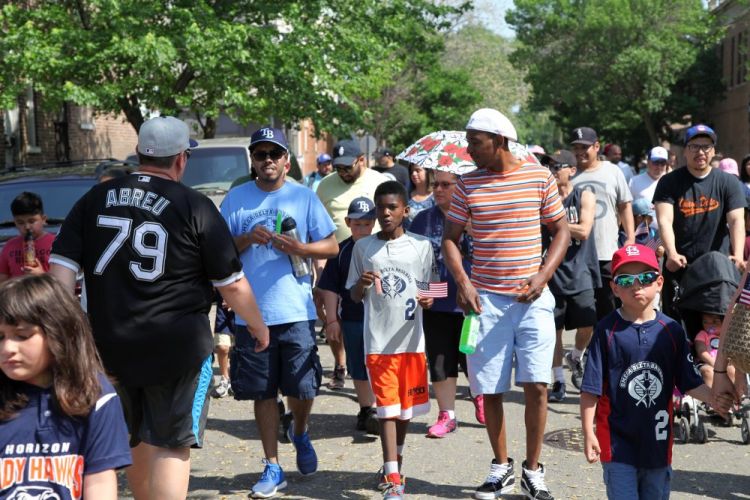
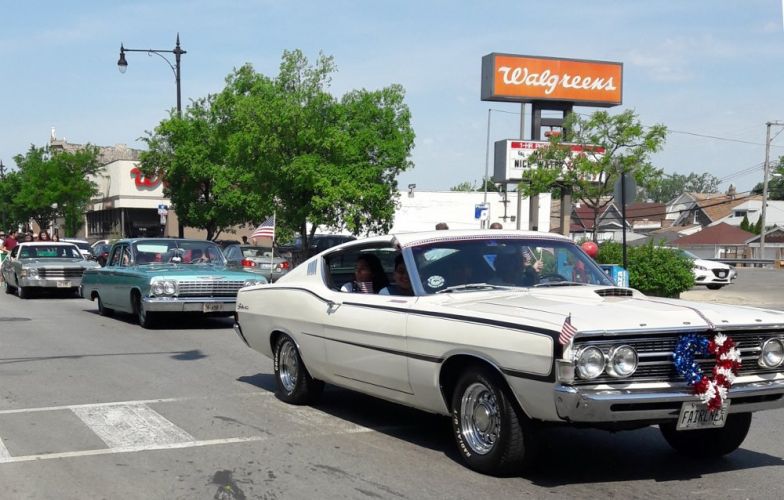
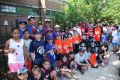
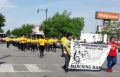
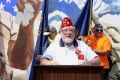
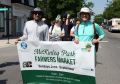
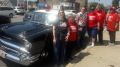
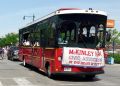
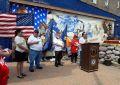
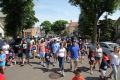
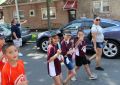
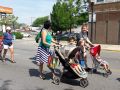
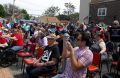
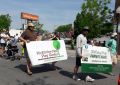
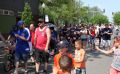
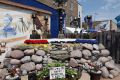
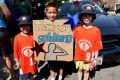
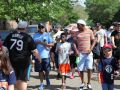
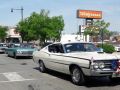
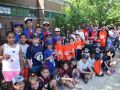
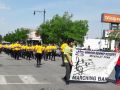
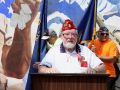
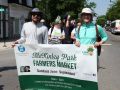
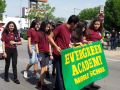
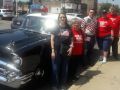
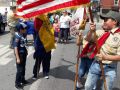
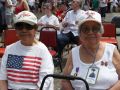
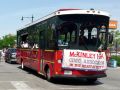
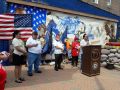
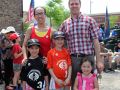
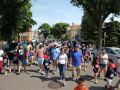
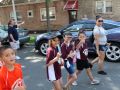
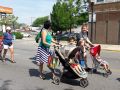
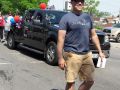
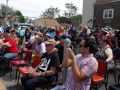
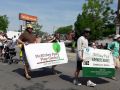
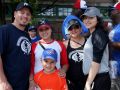
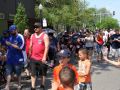
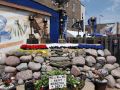
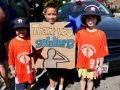
Photo gallery from "McKinley Park Celebrates Memorial Day," published May 31, 2018, in the McKinley Park News:













In the 21st-century economy, local small businesses of all kinds face challenges, especially competition from national chains and online retailers. Support and guidance from trusted allies, such as MPDC and local government offices, could help small business owners navigate many common difficulties. 36Squared Incubator, and local elected officials’ offices already provide a variety of assistance programs and resources to local businesses to help them address many of the common challenges that they face, such as the need for façade and awning improvements, guidance on signage, and city permitting.
Beyond the common challenges facing small businesses, there are particular elements of McKinley Park’s business environment that present unique hurdles for economic development in the community. Some business owners, for example, are not familiar with city programs or other business assistance models. Community engagement efforts revealed that despite available programs business owners are often are not aware of such resources and many struggle going through the city permitting process. Business owners and advocates alike expressed a desire to increase connections between businesses and existing business assistance programs.
Building entrepreneurial and management capacity for existing businesses is critical to maintaining a thriving local economy in McKinley Park. Feedback from the community identified a strong need for more resources to help business owners understand regulations, address common challenges and questions, and provide translation for business resources.
Establish specialized efforts for growing small businesses
 From "Grant Offers a Grand to Disabled Entrepreneurs," published March 18, 2019, in the McKinley Park News.Small businesses add to the resilience of any community. International Economic Development Council (IEDC) research suggests that smaller and more agile businesses can better respond to shocks such as changing consumer preferences and economic downturns. The study also suggests that entrepreneurs can enter niche markets much faster than large firms can. In order to activate underutilized space and grow small and niche businesses, more tools should be developed to empower entrepreneurs and existing businesses. Identifying and addressing gaps in service, as well as coordination of physical and programmatic resources, is needed. MPDC could play a role in facilitating the coordination of physical and programmatic resources for local businesses and entrepreneurs. One idea is creating a one-stop shop on MPDC’s website for small businesses looking for support programs. MPDC should work with state, city, and local organizations like the Illinois Hispanic Chamber of Commerce (IHCC) and Somercor to identify and align resources applicable to the needs of McKinley Park entrepreneurs through the MPDC website, informational forums, trainings, and one-on-one consultations in the community.
Conduct cross-cultural outreach in collaboration with trusted partners
MPDC needs to successfully engage and build support for small and minority-owned businesses. To offer the right assistance, it will be essential to gain a thorough understanding of the practical needs of business owners, commercial property owners, and aspiring entrepreneurs — as well as the resources they currently rely on. A first step would be to focus on increasing communication: surveying business owners on needs and providing information on available business assistance resources in some of the community’s most commonly spoken languages other than English, such as Mandarin and Spanish. Translated materials can promote existing programs and services to help with common needs such as façade improvement, business attraction, district marketing, start-ups, expansion, referrals, and loan assistance.
 From "Custom Fabrication Drives Explosive Growth at Bridgewater Studio," published October 11, 2019, in the McKinley Park News.This effort should also seek the wisdom, guidance, and assistance of knowledgeable community partners. MPDC should consult community partners and local financial institutions to gain knowledge of existing initiatives and programs aimed at serving the needs of small and minority-owned businesses in the neighborhood. Even if they do not work specifically in the study area, trusted institutions with strong connections to economic development groups and familiarity with city programs can help establish contact and communication.
The Economic Strategies Development Corporation (ESDC) stands out as a strong partner for helping MPDC implement this strategy. ESDC has served the Pilsen community for over 43 years, providing technical and financial assistance to over 1,000 businesses and entrepreneurs, and helping to retain and create new jobs. They have a history of strong relationships with the businesses that populate a vibrant and diverse neighborhood and could help bridge cultural gaps between other business advocacy groups and business owners.
Expand technical assistance for local business development, including incubator resources for startups and accelerators for growing businesses
 From "U.S. House Candidate Marie Newman Visits 36Squared Business Incubator," published November 2, 2020, in the McKinley Park News.The 36Squared Incubator is a nonprofit 501(c)(3) corporation in McKinley Park offering onsite training, classes, and one-on-one counseling to help local entrepreneurs grow their businesses. Incubators and accelerators support first-time entrepreneurs, emerging technologies, and untested business models. The services that incubators and accelerators provide vary by community. Accelerators are typically started by investors and often focus on providing technology oriented startups with mentoring and seed funding. Incubators, according to the National Business Incubator Association, primarily focus on creating community jobs, improving the entrepreneurial and business climate, retaining businesses, building or accelerating growth in local industry clusters, and supporting economic diversity in local economies.
Affordable space is often a challenge for businesses, so some communities operate “incubators with walls.” The “incubator with walls” approach could be helpful for small businesses and entrepreneurs who are currently operating home-based businesses. Most often, incubators provide services such as networking opportunities, marketing assistance, accounting or financial management assistance, and access to resources.
Case Study: Latinx Incubator
The Latinx Incubator is a first-of-its kind partnership between the Illinois Hispanic Chamber of Commerce and 1871, a Chicago-based tech incubator. Its mission is to grow the pipeline of Latinx and entrepreneurs participating in and contributing to the Chicago tech and innovation economy. The three-month program takes 10 to 12 startups through a rigorous curriculum that tests their ideas, helps them develop a product, and vets customer potential.
Program sessions focus on educating participants on financial tool and the various forms of capital available. Program participants have access to co-working space within 1871, exclusive networking events, extensive public exposure, tailored educational sessions, and workshops to help their businesses gain traction. Since its inception, Latinx Incubator has supported 72 startups, raised more than $6.5 million, and created over 190 jobs.
More information available at www.ihccbusiness.net/latinxincubator
Attract and support businesses that will increase the diversity of McKinley Park’s retail to meet residents’ needs
 From "One City Tap Stands Alone as McKinley Park's Sole Tavern," published May 3, 2018, in the McKinley Park News.Community engagement efforts revealed a strong demand for increasing the diversity of McKinley Park’s retail to include stores catering to daily needs. Because the majority of McKinley Park’s economy is dependent upon local businesses, the community should focus on strategies that provide greater support for new and potential entrepreneurs in the long run. Expanding bilingual services and encouraging immigrant entrepreneurship is a major cornerstone of the Chicago New Americans Plan. Working with the Office of New Americans and the Department of Business Affairs and Consumer Protection, the community should look into opportunities to educate more people about opening and operating small businesses through current and new workforce development and job training programs. As many planning programs to support immigrant entrepreneurship through the Chicago New Americans Plan are still in nascent stages, the community should also make sure to stay informed about new pilot projects or training initiatives that arise so that they can connect more people, particularly new immigrants, to ongoing city efforts in local economic development.
Accion Chicago (Rec 3.4, 3.5)
Accion is an alternative lending organization providing credit and other business services to small business owners who do not have access to traditional sources of financing.
http://www.accionchicago.org/
Aquinas Literacy Center (Rec 3.3)
Through one-on-one tutoring, supported with conversation classes, writing workshops, book clubs, computer learning opportunities, and job assistance workshops, Aquinas Literacy Center helps learners improve their English-language literacy and achieve their personal goals.
http://aquinasliteracycenter.org/
Arturo Velasquez Institute (AVI) (Rec 3.4)
AVI is the satellite campus of Richard J. Daley College, a public post-secondary institution, which offers a variety of programs to enrich the personal and professional lives of the communities it serves. AVI provides advanced and basic certificates to assist individuals in gaining the skills necessary to obtain entry-level jobs in manufacturing, offices, and health care.
http://www.ccc.edu/colleges/daley/departments/Pages/Arturo-Velasquez-Institute.aspx
City of Chicago Department of Business Affairs and Consumer Protection (Rec 3.4, 3.5)
The City of Chicago’s Small Business Center (SBC) is the business licensing division of the City of Chicago’s Department of Business Affairs and Consumer Protection (BACP) and the city’s “one-stop-shop” for business licensing, public way use permitting, and connecting entrepreneurs to business resources.
https://www.chicago.gov/city/en/depts/bacp/sbc/contact_us.html
City of Chicago Small Business Improvement Fund (SBIF) Grant (Rec 3.5)
SBIF promotes economic development by providing small businesses with financial assistance for building improvement costs. SomerCor is the program administrator contracted by the city’s Department of Planning and Development for the SBIF program. The maximum grant assistance for an industrial property is $150K; for a single-tenant commercial property $100K; and for a multi-tenant commercial property,
$50K.
http://www.somercor.com/sbif/
ChiBizHub (Rec 3.4, 3.5)
An initiative of World Business Chicago, ChiBizHub’s mission is to help Chicago entrepreneurs grow and succeed. ChiBizHub provides small businesses with free, easy access to the help and information they need by connecting them to a large network of primarily nonprofit service providers. Their network resource partners provide a wide range of business-related services, including:
- Business planning
- Loans/financing
- Marketing/sales
- Licenses/permits
- Startups
- Product development
- Training classes
- Government contracts
- Operations
https://www.chibizhub.com/about-chibizhub
Chicago Innovation (Rec 3.5)
Chicago Innovation’s mission is to empower the Chicago innovation ecosystem by educating, connecting, and celebrating innovators. The nonprofit is united around a purpose to harness the power of innovation to grow organizations, boost the economy, create jobs, and change the Chicago narrative.
https://chicagoinnovation.com/
Communities United (Rec 3.1)
Communities United (CU) is a grassroots, intergenerational racial justice organization in Chicago. At the heart of CU’s organizing is the development of grassroots leadership to build collective power to achieve racial justice and transformative social change. With this approach, CU focuses on advancing health equity, affordable housing, education justice, youth investment, immigrant rights, police accountability, and shifting resources from the criminal justice and juvenile justice systems into restorative justice alternatives.
https://communitiesunited.org/
Greater Southwest Development Corporation (GSDC) (Rec 3.1, 3.3, 3.4, 3.5)
GSDC’s primary goal is to improve the quality of life in southwest Chicago through entrepreneurial, commercial, and residential real estate development, as well as a variety of business and residential resources. Since its establishment in 1974, GSDC’s initiatives have resulted in over $500 million in development activity in southwest Chicago.
https://greatersouthwest.org/
Illinois Hispanic Chamber of Commerce (IHCC) (Rec 3.5)
IHCC empowers entrepreneurs to start and grow their businesses. IHCC contributes to the financial strength of the economy by helping businesses create jobs, increase their revenue, and be more profitable.
http://www.ihccbusiness.net
Instituto del Progreso Latino (Rec 3.2, 3.3, 3.4)
Instituto’s mission is to contribute to the fullest development of Latino immigrants and their families through education, training, and employment that fosters full participation in the changing US society while preserving cultural identity and dignity.
https://www.institutochicago.org/apps/pages/index.jsp?uREC_ID=372458&type=d&pREC_ID=837880
LGBT Chamber of Commerce of Illinois (Rec 3.4, 3.5)
The mission of the LGBT Chamber is to promote opportunities for the LGBT community by being an advocate and resource for all member businesses that encourage equality. The chamber works tirelessly to promote their members through marketing initiatives, public relations campaigns, and cooperative advertising that reach local, regional, and national markets. The chamber serves the community at large with educational projects and neighborhood initiatives that benefit everyone.
http://lgbtcc.com/
National Association of Women Business Owners (NAWBO) (Rec 3.4, 3.5)
NAWBO propels women entrepreneurs into economic, social, and political spheres of power worldwide by strengthening the wealth-creating capacity of their members and promoting economic development within the entrepreneurial community. NAWBO propels women entrepreneurs into economic, social, and political spheres of power worldwide by strengthening the wealth-creating capacity of their members and promoting economic development within the entrepreneurial community; creating innovative and effective change in the business culture; building strategic alliances, coalitions, and affiliations; and transforming public policy and influencing opinion makers.
https://www.nawbo.org/about/about-nawbo-our-vision-and-mission
National Latino Education Institute (NLEI) (Rec 3.2, 3.3, 3.5)
NLEI’s ultimate goal is to provide quality workforce initiatives leading to economic independence for Latinos. NLEI provides comprehensive employment services and in-demand education training through a holistic-centered assessment inclusive of career, financial, and health and wellness mapping to create a pathway for sustained self-sufficiency.
https://nlei.org/
SomerCor (Rec 3.5)
SomerCor works with lenders and economic development organizations to help business owners access loan or grant opportunities.
http://www.somercor.com
The Resurrection Project (Rec 3.1)
For over 30 years, The Resurrection Project has been committed to its mission of creating community ownership, building community wealth, and serving as stewards of community assets in Chicago’s southwest neighborhoods. Since its founding, The Resurrection Project has grown to secure $537 million in community investments through homes for ownership, rental housing, and community services throughout Chicago’s southwest neighborhoods and the western suburbs.
https://resurrectionproject.org/












Log In to comment on this item.
Subscribe
Report
My comments